Why Does Baking Assume I’m Calm?
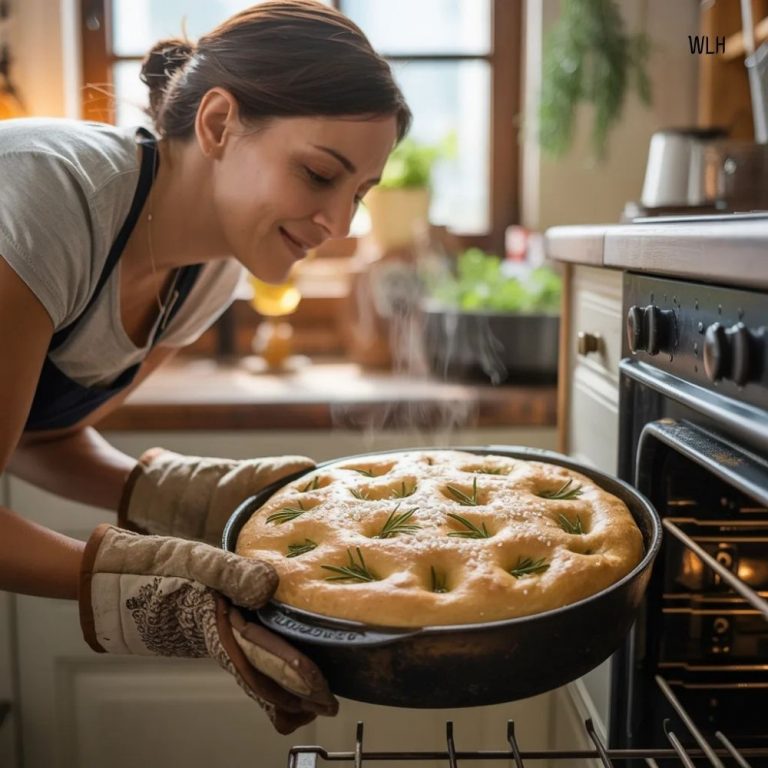
I enjoy cooking. I like improvising. I like tasting as I go. I like adjusting, fixing, saving things at the last minute and still ending up with something edible and satisfying. Baking, however, is not concerned with any of that. Baking assumes I am calm, patient, focused, and emotionally stable, which is a wild assumption…
I enjoy cooking. I like improvising. I like tasting as I go. I like adjusting, fixing, saving things at the last minute and still ending up with something edible and satisfying.
Baking, however, is not concerned with any of that. Baking assumes I am calm, patient, focused, and emotionally stable, which is a wild assumption to make about someone who decided to bake in the first place.
Baking does not meet you where you are. Baking expects you to show up already centered, already prepared, already willing to be precise in a way that feels deeply personal.
It assumes you are not distracted, hungry, tired, or irritated. It assumes your kitchen is quiet, your tools are accurate, and your mindset is neutral.
None of those things were true the last time I tried to bake, and yet the recipe proceeded as if they were.
The Moment I Realized Baking Was Testing Me
This realization hit me halfway through making what was advertised as a “simple” batch of brownies. Not fancy brownies. Not experimental brownies. Just brownies, which are supposed to be comforting and forgiving and impossible to mess up. That belief is propaganda.
The recipe immediately started making demands. Measure precisely. Do not overmix. Do not undermix. Melt the butter gently. Let it cool slightly, but not too much. Add the eggs one at a time, but quickly and gently. Baking does not want speed or slowness. Baking wants obedience.
I was already annoyed, and that was before the oven entered the conversation.
Baking’s Obsession With Numbers Is Aggressive
Cooking gives you room to breathe. Baking hands you a ruler and a stopwatch and asks why you’re sweating. Everything is specific, down to the gram, the degree, the second. Half a teaspoon matters. One extra tablespoon is a problem. Two minutes too long is a crime.
This is stressful information to receive while standing in a kitchen where the lighting is bad and your measuring cups have seen better days. Baking assumes you trust your tools. I do not.
I do not believe my oven when it says it’s preheated. I do not believe my scale is accurate. I do not believe my measuring spoons are consistent. Baking asks me to have faith in systems that have failed me before. That is not calming.
The Emotional Labor of “Don’t Overmix”
Every baking recipe includes some variation of “mix until just combined,” which is the vaguest instruction imaginable. What does that mean. Combined emotionally. Combined spiritually. Combined until it looks right but not too right.
I stood there mixing batter, watching it change texture, wondering if I had gone too far or not far enough, knowing that once you cross the line, there is no undoing it. You cannot unmix batter. You cannot negotiate with gluten.
This is pressure, and baking pretends it isn’t.
Baking Does Not Respect Mood or Timing
The biggest lie baking tells is that it can be done casually. Baking does not like casual energy. Baking wants your full attention, and it wants it at a time when you are least able to give it.
You cannot rush baking, but you also cannot pause it. You cannot walk away without consequences. You cannot multitask without anxiety. The moment you try to relax, something needs checking.
The oven timer goes off too soon. The center looks underdone. The edges look suspicious. You are opening and closing the oven door like it owes you answers.
At no point during baking am I calm. I am alert, suspicious, and bracing for disappointment.
The Cooling Phase Is Psychological Torture
Once the thing is baked, baking is not done with you. Now you must wait. You must let it cool. You must not cut into it too early. You must resist the urge to check, poke, or test.
Why.
I just worked this hard. I am hungry. The thing smells good. Baking insists on delayed gratification like it’s a moral lesson. If you cut too soon, you ruin the structure. If you wait too long, you lose momentum.
This is not fun. This is discipline training disguised as dessert.
The Result Is Rarely Proportional to the Effort
Here’s the part that truly makes baking feel like emotional warfare. After all that precision, all that stress, all that careful measuring and waiting and hoping, the result is often just fine.
Not magical. Not transformative. Just fine. The brownies were good. They were eaten. People said nice things. No one had a life-changing experience. And yet I had spent an hour monitoring batter like it might escape.
This is why baking feels unfair. The payoff is not always commensurate with the level of emotional regulation required.
Why Baking Feels Personal When It Goes Wrong
When cooking goes wrong, you can usually fix it. Add salt. Add acid. Adjust heat. When baking goes wrong, it just goes wrong, and everyone can see it.
A dry cake is dry forever. A collapsed center tells on you immediately. A tough cookie cannot be talked out of being tough. Baking failures feel like character judgments.
This is why baking assumes calm. Because panic makes everything worse, and baking does not forgive panic.
What I’ve Changed to Survive Baking
After enough emotionally taxing baking experiences, I have adjusted my approach. Not because I became calmer, but because I became more realistic.
I bake fewer things. I choose forgiving recipes. I ignore anything that promises perfection. I do not bake when I am already irritated. I do not bake when I am hungry. I do not bake if the recipe sounds smug.
I also measure carefully, but I stop treating it like a personality test. If it works, great. If it doesn’t, I am not internalizing it. This has improved my relationship with baking significantly.
The Real Issue Isn’t Baking, It’s Expectations
The truth is that baking is not inherently evil. It is just honest in a way we are not prepared for. It exposes our impatience, our desire for control, and our intolerance for ambiguity.
What I resent is the way baking culture pretends it is soothing. It is not soothing. It is exacting. It is unforgiving. It is a science experiment you are emotionally invested in.
Calling that calming feels like gaslighting.
Baking taught me something I did not expect, which is that not everything needs to be relaxing to be worthwhile, but it does need to be honest. If a recipe requires focus, patience, and precision, I want it to say that upfront.
I no longer try to bake to relax. I bake when I want to accomplish something specific. If I want comfort, I cook. If I want control, I clean. If I want peace, I do literally anything else. This clarity has saved me a lot of frustration.
Final Takeaway
Baking assumes I am calm, and I am not. That does not make me bad at baking. It just means I am a person with a nervous system.
Precision as emotional warfare is only effective if you believe you’re supposed to enjoy it. Once you stop expecting baking to soothe you, it becomes manageable, even enjoyable, in short, deliberate bursts.
I still bake. I just do it on my terms now. And honestly, that feels like the healthiest compromise possible.