This Was Worth It and I Rarely Say That
I do not say something is worth it lightly. In fact, I avoid saying it at all costs, because once you declare something worth it, you are publicly aligning yourself with a decision, and I have learned the hard way that most purchases do not deserve that level of loyalty. Many things are fine. Some…
I do not say something is worth it lightly. In fact, I avoid saying it at all costs, because once you declare something worth it, you are publicly aligning yourself with a decision, and I have learned the hard way that most purchases do not deserve that level of loyalty.
Many things are fine. Some things are acceptable. A few things are not actively annoying. But “worth it” is reserved for the rare item that does exactly what it promised without requiring emotional negotiation, behavioral changes, or post-purchase rationalization.
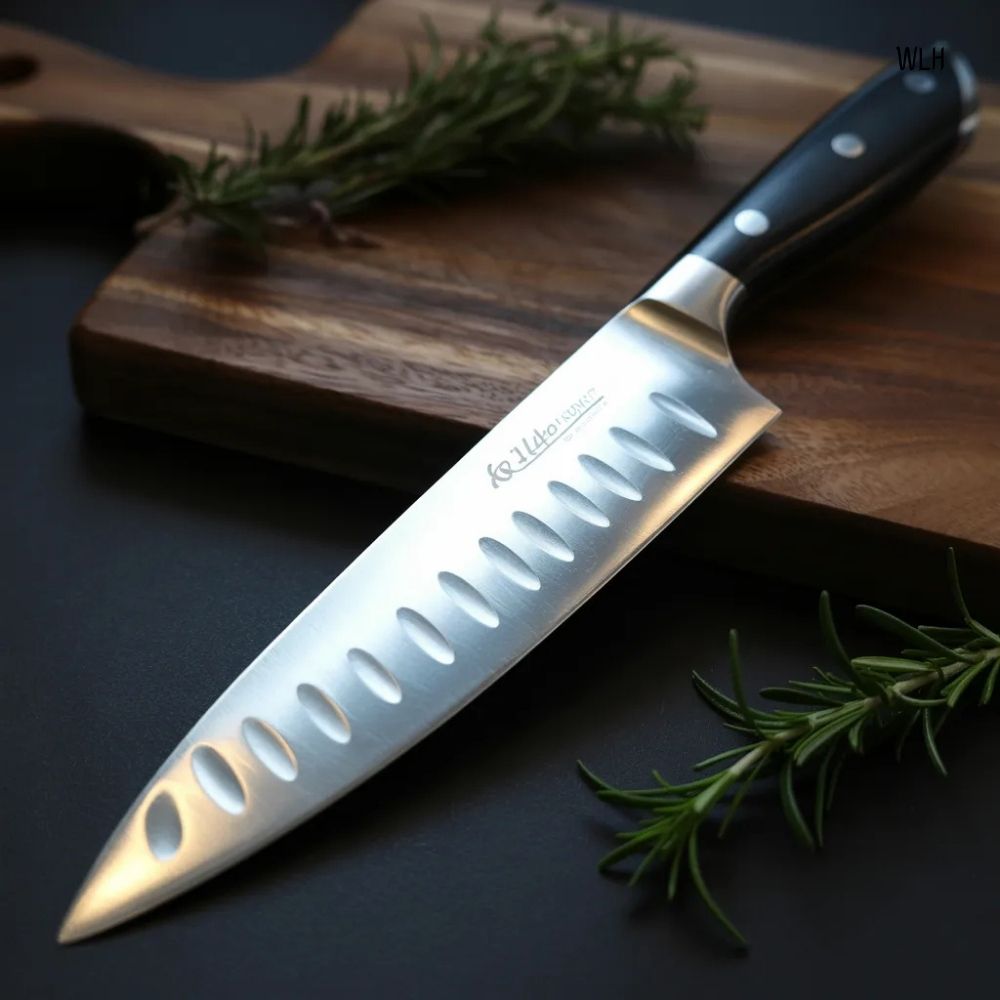
This is about one of those rare items. The purchase was a good chef’s knife, and by good, I do not mean trendy, aesthetic, or aggressively marketed. I mean solid, well-made, sharp in a way that feels respectful, and reliable in a way that makes you immediately understand why people won’t shut up about having one.
I did not buy it because I wanted to become a cooking person. I bought it because I was tired of working harder than necessary every single time I needed to cut an onion. That context matters.
Why I Resisted Buying It for So Long
I avoided buying a good knife for years because knives are one of those purchases people get weird about. Everyone suddenly becomes an expert.
You are told that you must invest, but never told how much is reasonable. You are warned that cheap knives are dangerous, while expensive knives are framed as a personality trait. Somewhere in the middle is a normal person who just wants food preparation to stop feeling hostile.
I had perfectly functional knives, technically. They cut things eventually. They required pressure. They slipped occasionally. They made prep feel like a negotiation instead of a task. I assumed this was normal and that anyone who said otherwise was being dramatic. I was wrong.
The First Time I Used It
The first time I used the knife, I noticed the difference immediately, and that alone made me uncomfortable, because I do not like being proven wrong that fast.
The blade moved through ingredients with almost no resistance, which changed the entire physical experience of cooking. I was no longer forcing motion. I was guiding it.
Cutting vegetables stopped being something I braced myself for. It became smooth, controlled, and efficient in a way that felt almost suspicious. I kept waiting for the novelty to wear off, for the magic to fade once the excitement passed. It did not.
How It Changed Cooking Without Asking Me to Care More
What impressed me most was that the knife did not ask me to become better at cooking to justify its existence. I did not need new techniques. I did not need to slow down dramatically. I did not need to learn terminology. The tool adapted to me, not the other way around.
Prep became faster without feeling rushed. Cuts were cleaner without me trying harder. My hands felt less tense. I stopped compensating. Those changes added up in a way I did not expect, because they removed friction I had assumed was unavoidable.
This is what people mean when they talk about quality, and I finally understand it now.
The Unexpected Emotional Payoff
I was not prepared for the emotional effect of this purchase, which sounds dramatic until you experience it.
Cooking stopped being something I put off until the last possible moment. It no longer felt like a chore stacked on top of an already full day. The barrier to starting lowered just enough to matter.
That shift did not turn me into a joyful home chef. It made me less annoyed, which is honestly the best-case scenario. When something reduces daily irritation without demanding enthusiasm, it earns respect.
Why This Knife Did Not Trigger Buyer’s Remorse
The reason this purchase avoided buyer’s remorse is simple. It delivered consistently. There were no conditions. No “once you get used to it.” No hidden maintenance obligations beyond basic care. No realization later that it only works in specific situations.
Every time I use it, it performs exactly as it did the first time. That reliability builds trust, and trust is what turns a purchase into a staple.
I stopped thinking about whether it was worth the money because it stopped asking me to think about it at all.
The Cost Versus the Return
Yes, it cost more than the knives I had before. But once I stopped measuring the value in price alone and started measuring it in use, the math changed. This knife gets used almost every day. It saves time. It saves effort. It reduces frustration. Over time, the cost spreads out into something negligible.
Cheap tools are only cheap if they don’t cost you energy. This one gave energy back. That is the real calculation people forget to make.
Why This Didn’t Feel Like a Lifestyle Upgrade
What I appreciated most was that this purchase did not try to turn into a lifestyle shift. It did not require matching accessories, a new identity, or conversations about craftsmanship. It just existed quietly and did its job.
I did not suddenly need to care about knives. I just needed one good one.
That restraint is rare in products now, and it made the experience feel respectful instead of extractive.
The Standard It Set for Other Purchases
This knife ruined some things for me, and I mean that positively. It raised my standards. I am now much less tolerant of tools that complicate basic tasks.
I am quicker to invest in things that directly support daily routines, and much more resistant to spending money on things that promise transformation instead of functionality.
This purchase taught me that sometimes the boring upgrade is the smartest one.
If someone asked me whether buying a good chef’s knife is worth it, I would say yes without hesitation, which is rare for me. Not because it will change your life, but because it will stop actively making it harder. That difference matters.
You do not need the best. You do not need the most expensive. You need something well-made that respects your time and effort. This knife did that.
Final Takeaway
This was worth it, and I rarely say that. The knife did exactly what it promised, every single time, without asking me to change, upgrade, or perform. It made something ordinary easier in a way that compounded quietly, day after day.
That is the highest praise I can give a purchase.
If something earns a permanent place in your routine without demanding attention or justification, it has delivered fully. And honestly, in a world full of overpromising products, that kind of reliability feels almost luxurious.