
This Family Tradition Still Works for Me
There are a lot of family traditions that quietly fall apart as you get older, not because anything dramatic happens, but because life shifts, people move, schedules get complicated, and suddenly something that once felt automatic starts to feel like an obligation. That is usually the moment when nostalgia turns heavy and traditions begin to…
There are a lot of family traditions that quietly fall apart as you get older, not because anything dramatic happens, but because life shifts, people move, schedules get complicated, and suddenly something that once felt automatic starts to feel like an obligation.
That is usually the moment when nostalgia turns heavy and traditions begin to feel like tests you didn’t sign up for. What surprised me recently is realizing that one family tradition in my life still works for me.
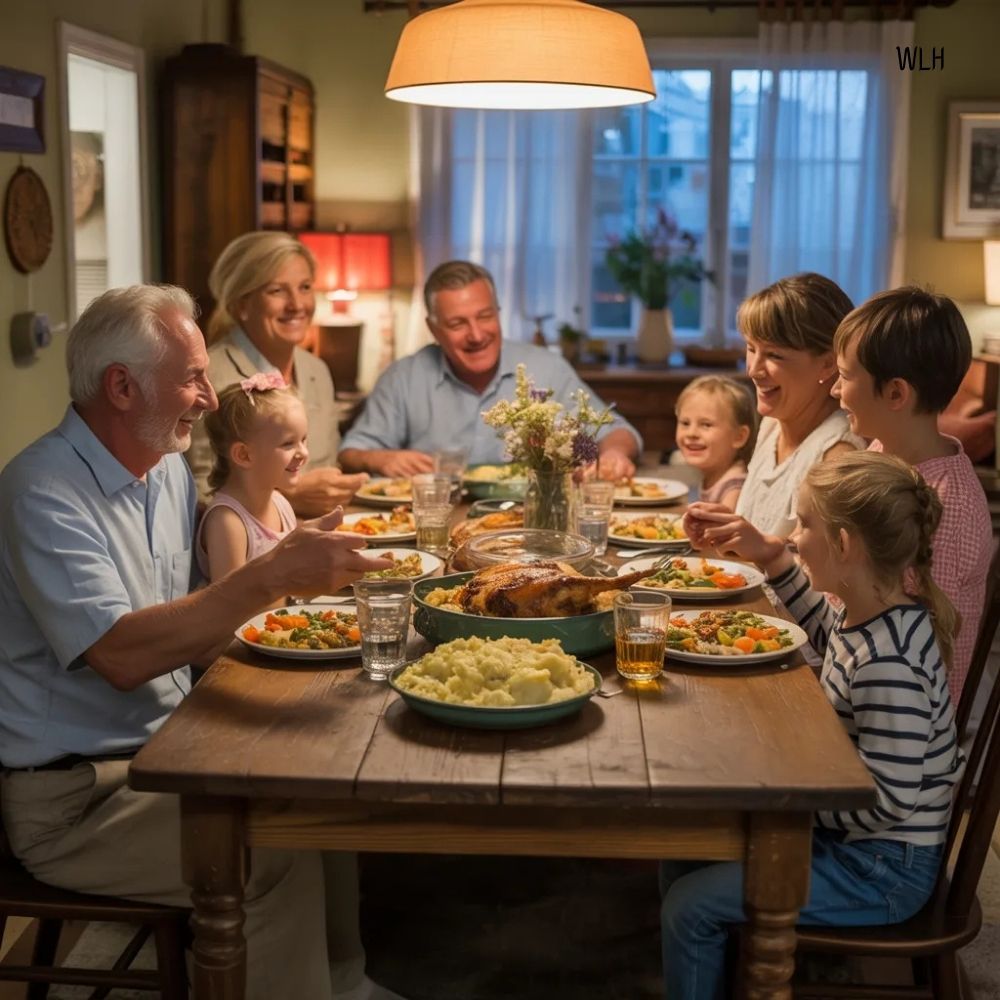
The tradition itself is simple, almost aggressively unremarkable, which I think is why it survived. It’s a weekly family dinner that happens at roughly the same time, with roughly the same people, and absolutely no expectation that it needs to be special.
No themes. No pressure to cook something impressive. No emotional speeches about how important it is that we all sit together. It just exists, quietly, like a default setting that never tried to evolve into content.
Why This Tradition Never Turned Into a Burden
The reason this tradition still works is that it never asked more from me than I could give at any stage of my life. When I was younger, I showed up because that’s what you do. As an adult, I show up because it still feels comfortable, not because anyone is keeping score.
No one comments if someone can’t make it. No one frames attendance as a moral victory. The dinner happens whether everyone is there or not, which removes the pressure entirely.
That detail matters more than it sounds. Traditions fail when they become fragile, when they rely too heavily on participation to feel valid. This one is sturdy. It doesn’t need applause. It doesn’t collapse if the mood is off or the food is mediocre. It exists to be there, not to be meaningful every single time.
The Food Is Familiar, Not Performative
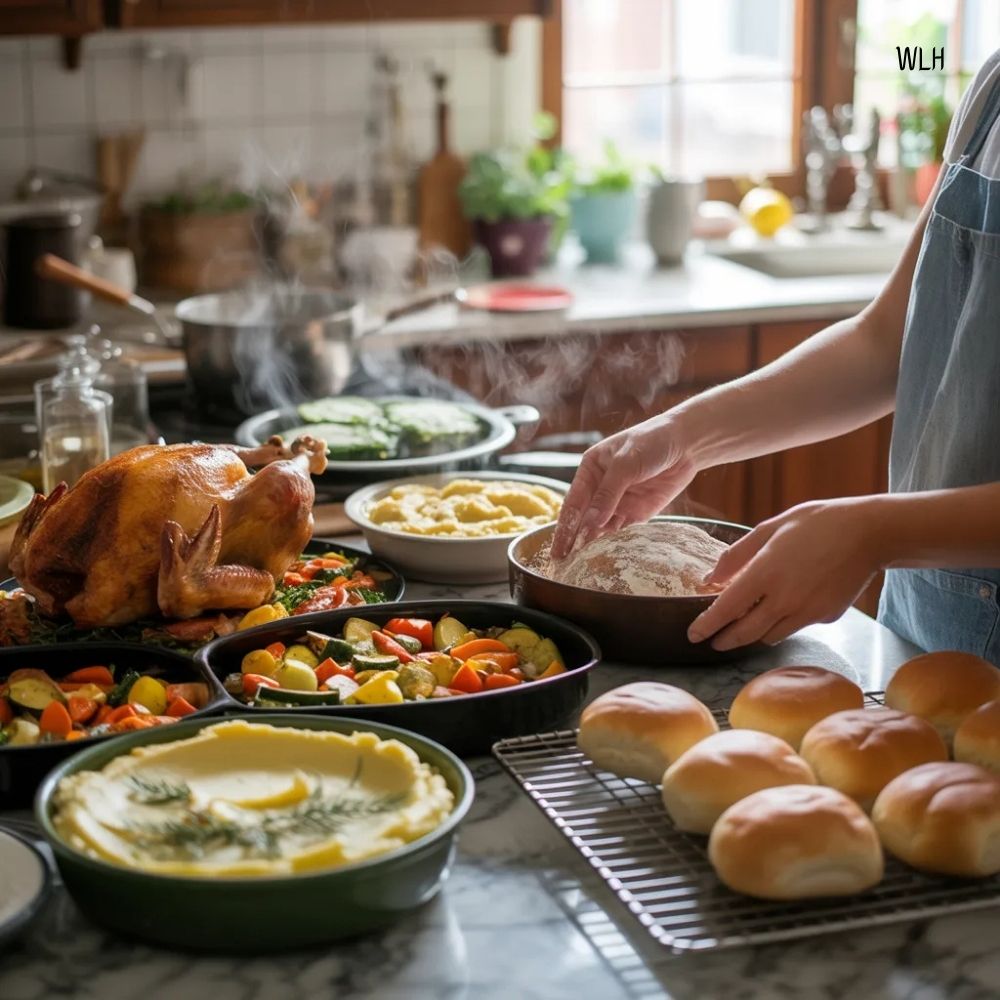
Another reason this tradition has lasted is that the food never tried to become symbolic. There are repeat dishes, sure, but no one refers to them as sacred. No one insists they must be made exactly the same way forever.
The meals are comforting because they’re known, not because they’re perfect. Sometimes the food is genuinely good. Sometimes it’s just fine. Both outcomes are acceptable, which is deeply freeing.
There is something grounding about eating food that no one expects you to praise excessively. You can enjoy it without commentary. You can take seconds without it meaning anything. You can eat quietly if you want to.
The absence of performance makes room for actual comfort, which is rare in family settings once everyone becomes an adult with opinions.
How the Conversation Stays Easy
The conversation at these dinners follows the same rule as the food, which is that nothing is required. Some weeks, people talk more. Other weeks, it’s quieter.
There are stretches where everyone eats and listens to background noise and no one rushes to fill the silence. No one interrogates anyone about life progress. No one insists on updates unless someone offers them.
This is not accidental. Over time, the group collectively learned what not to push, and that restraint is what keeps the space functional. The dinner works because it respects emotional boundaries without needing to announce them. That kind of respect usually comes from familiarity, not effort.
The Quiet Comfort of Predictability
There is a specific comfort in knowing exactly what something is going to be, especially in a world that constantly demands novelty. This dinner does not surprise me.
I know how it will feel. I know how long it will last. I know I will not leave emotionally depleted or overstimulated. That predictability is not boring. It is stabilizing.
When life feels scattered, having one consistent point in the week that does not require planning or emotional preparation feels like a relief. I don’t have to decide whether I want to go. I already know the answer. That certainty is a gift.
How My Relationship to It Changed Without Ruining It
What changed over time was not the tradition itself, but how I related to it. I stopped seeing it as something I owed and started seeing it as something available to me. That shift removed resentment before it could form. I attend because it still works for me, not because I’m afraid of what it would mean if I didn’t.
That distinction matters. The moment a tradition becomes tied to guilt, it starts eroding. This one never made that move, which is why it stayed intact.
What It Gave Me That I Didn’t Expect
What I didn’t expect was how much this tradition anchored me as my life changed. As friendships shifted, work evolved, and routines dissolved and reformed, this dinner stayed the same. It did not demand that I show up as a better version of myself. It accepted whoever I was that week.
That consistency gave me a quiet sense of continuity, which is easy to underestimate until you notice how rare it is.
The lesson here is not that all traditions are worth keeping. It’s that the ones that still fit deserve appreciation, even if they aren’t dramatic or Instagram-worthy. If something continues to offer comfort without demanding performance, it’s doing its job.
This tradition still works for me because it never tried to be more than it was. It didn’t ask me to stay the same. It didn’t ask me to prove loyalty. It just kept showing up.
Final Takeaway
This family tradition still works for me, and that realization surprised me more than it should have. In a world that constantly pushes reinvention, there is something deeply reassuring about one thing that never needed to change in order to stay relevant.
It reminds me that nostalgia doesn’t have to be heavy to be meaningful. Sometimes it’s just quiet, familiar, and exactly where you left it.
And honestly, that kind of consistency is rare enough that when you have it, it’s worth keeping.