The Lesson of Knowing What’s Right For Each Friend Group
There is a specific kind of confidence that comes right before a bad group food decision, and it usually sounds like, “They’ll like it.” Not because you asked. Not because you confirmed. Just because you like it, and you briefly forgot that other people have different textures, spice tolerances, and emotional relationships with food. This…
There is a specific kind of confidence that comes right before a bad group food decision, and it usually sounds like, “They’ll like it.” Not because you asked. Not because you confirmed.
Just because you like it, and you briefly forgot that other people have different textures, spice tolerances, and emotional relationships with food. This story begins with that exact confidence.
I was hosting a small group dinner, nothing formal, nothing fancy, just a casual night with friends where everyone shows up hungry and slightly tired and expecting something comforting.
In my mind, this was the perfect moment to make something a little elevated but still approachable. Something warm. Something impressive but not loud.
That is how I decided to make spicy coconut curry with chickpeas and vegetables. This was a mistake.
Why I Thought This Was a Good Idea
In my defense, the dish itself is good. It is flavorful, cozy, and satisfying. It smells amazing while it cooks. It feels intentional without being fussy. I had made it before for myself and loved it, which is always the first red flag when cooking for other people.
I told myself this group was adventurous. I told myself they liked trying new things. I told myself curry was familiar enough that it wouldn’t feel intimidating. I also told myself I could adjust the spice level, which is something people say right before underestimating spice sensitivity entirely.
At no point did I ask anyone what they actually wanted to eat, because I was in my host era and feeling bold.
The Dish in Question
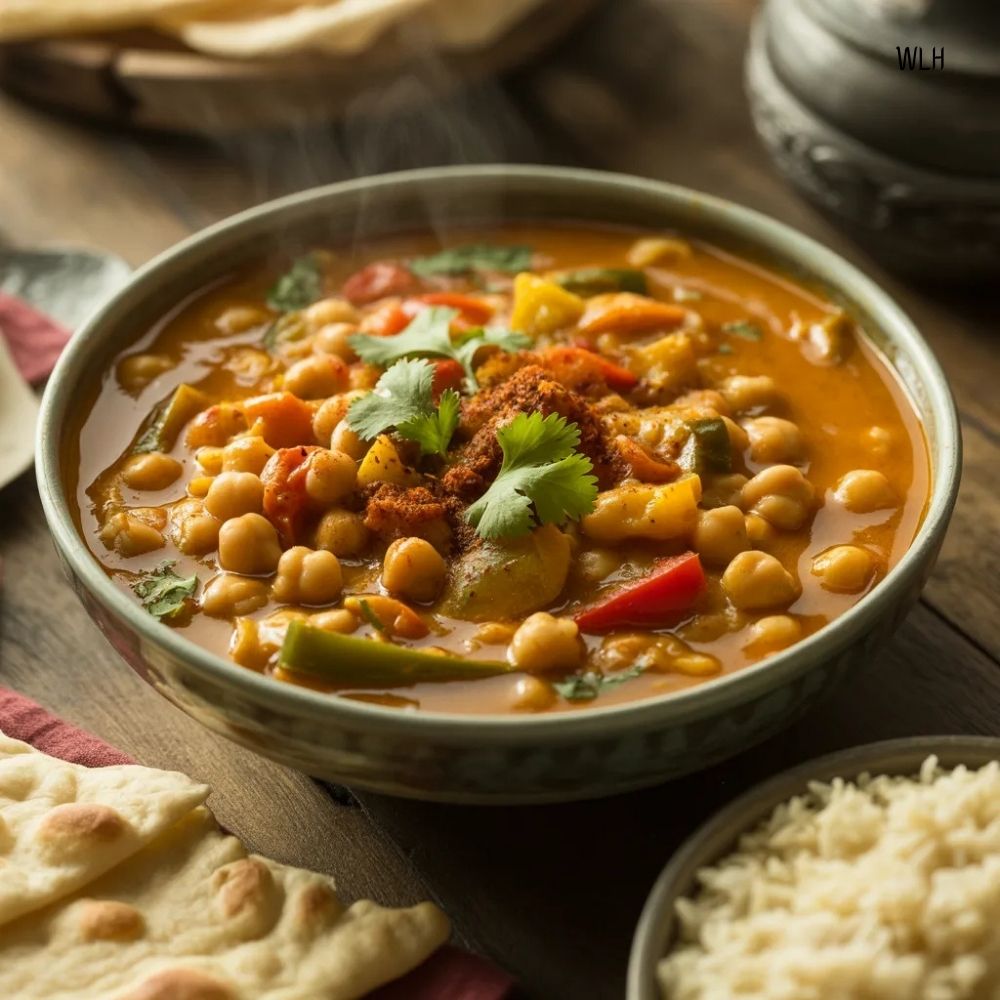
Spicy Coconut Chickpea Curry
It was a one-pot situation, which made me feel efficient and calm going in.
The base was onions, garlic, and ginger cooked down until fragrant. I added curry paste, spices, coconut milk, chickpeas, and vegetables, letting everything simmer into something rich and aromatic. I tasted it, adjusted the seasoning, and felt genuinely proud of myself.
It was not aggressively spicy. It was balanced. It was good. This is important information, because the dish did not fail on its own. It failed because of who was sitting at the table.
The First Sign Something Was Wrong
The first sign was not verbal. It was physical.
Everyone sat down. Plates were served. There was a brief pause where people looked at the food before picking up their utensils. Not in a rude way, just in a processing way. The kind of pause where someone is deciding how to approach something rather than simply digging in.
Someone asked what was in it, which is always neutral but never meaningless.
I explained. Coconut milk. Chickpeas. Curry paste. Vegetables. I emphasized that it wasn’t too spicy, which immediately made it sound spicier than it was. People started eating.
Watching People Be Polite Is a Special Kind of Torture
No one complained. No one pushed their plate away. No one made a face dramatic enough to justify intervention. Instead, everyone ate politely, slowly, carefully, like they were trying not to offend the food.
There were pauses between bites. Water glasses were refilled often. Someone mentioned that the flavor was “interesting,” which is a word that has ended many good intentions.
This is when I realized I had cooked a dish that required emotional explanation. People were asking follow-up questions, not because they were curious, but because they were trying to understand what they were experiencing.
This group did not want to be educated. They wanted dinner.
The Texture Problem I Forgot to Account For
Here is something I should have remembered. Not everyone loves chickpeas. Some people tolerate them. Some people avoid them. Some people feel betrayed by their texture but are too polite to say anything.
This group had multiple people who preferred meat-based mains and straightforward flavors. Creamy coconut curry with chickpeas was already pushing it. Asking them to commit to multiple spoonfuls was unrealistic.
I watched one friend quietly eat around the chickpeas, focusing on the vegetables and sauce like it was a strategy. Another ate half their portion and slowed down significantly. No one went back for seconds, which is always the loudest feedback.
The conversation continued, but the energy shifted. People talked more than they ate, which is not what you want when you’ve cooked for a group. The food became background instead of center stage, which is not inherently bad, but in this case, it felt like avoidance.
I was still eating, still enjoying it, which made me feel briefly defensive, followed by immediately embarrassed. This was not about whether the dish was good. It was about whether it was right. It was not.
Why This Was an Audience Mismatch, Not a Cooking Failure
This is the important distinction I learned that night. The dish was fine. The group was fine. The pairing was not.
This was a group that values familiarity over novelty when it comes to food. A group that wants recognizable flavors, clear components, and minimal guessing.
They did not want spice complexity. They did not want texture challenges. They wanted something they could eat while talking without thinking too hard.
I gave them a dish that required openness, patience, and a willingness to engage with it. That is not what this dinner needed.
The Alternative I Should Have Made
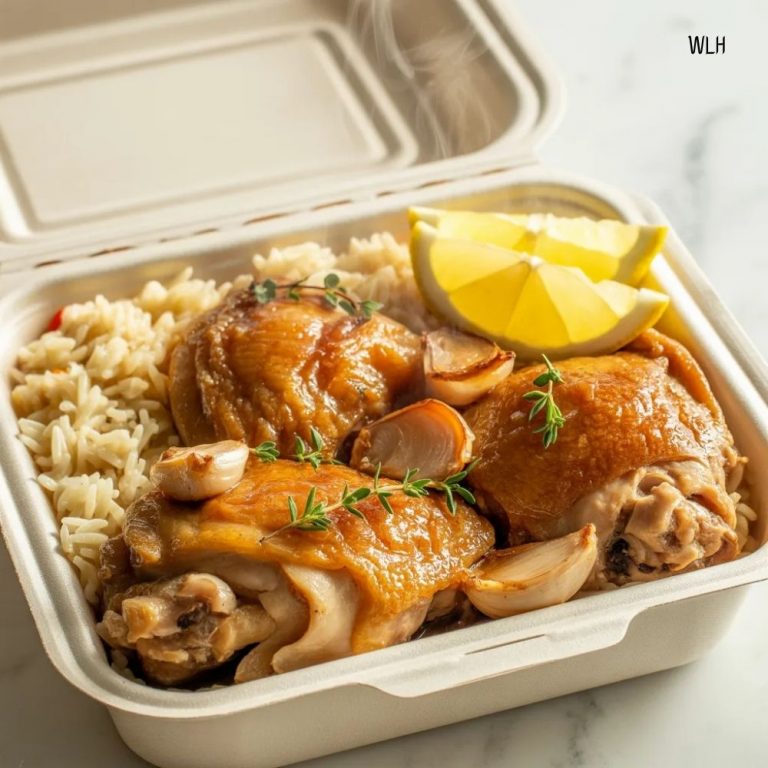
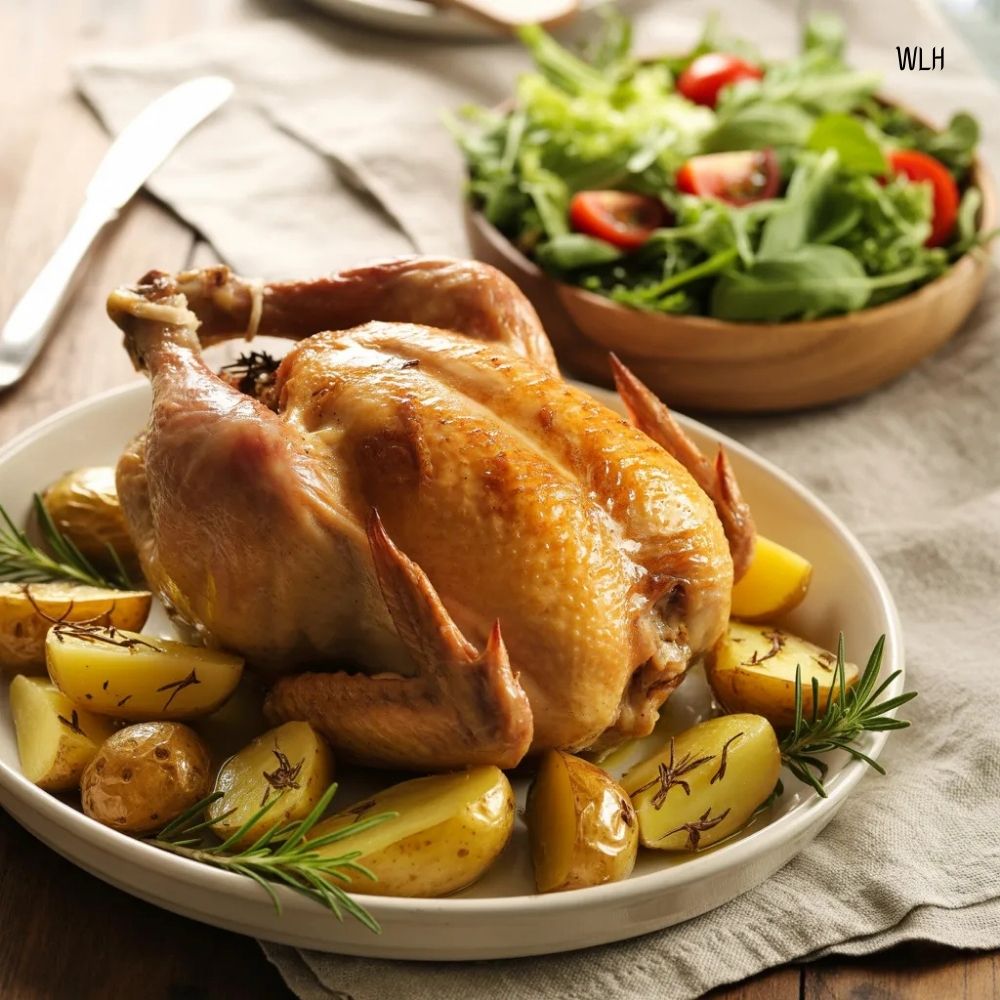
The correct dish for this group would have been roasted chicken with potatoes and a simple green salad.
It would have been warm, comforting, and immediately understandable. It would have smelled just as good, if not better. Everyone would have known what they were getting into the moment it hit the table.
Roasted chicken allows customization without conversation. People can take more or less. Potatoes are universally trusted. A salad provides balance without intimidation.
No one needs an explanation. No one feels pressured to like it. Everyone eats. That is success.
What I Do Differently Now When Cooking for Groups
Since that night, I’ve stopped cooking for myself when I’m cooking for others. That does not mean I cook bland food. It means I cook familiar food done well.
I think about the group before the recipe. I think about spice tolerance, texture preferences, and energy level. I think about whether the dish invites comfort or curiosity, and which one the moment actually calls for.
If the group is tired, I choose comfort. If the group is adventurous, I confirm that explicitly. I no longer assume.
The Lesson That Stuck
The biggest lesson was that a good dish can still be the wrong dish. Cooking for people is not just about flavor. It’s about reading the room, understanding expectations, and matching effort to appetite.
There is no prize for serving something impressive if no one is excited to eat it. There is no shame in choosing a crowd-pleaser when the crowd wants to be pleased.
That curry is still one of my favorite meals. I just no longer make it for that group.
Final Takeaway
This dish was a mistake for this group, and that’s okay. Not every meal needs to be a statement, and not every dinner is the right time to test people’s openness to chickpeas.
The alternative is not boring. The alternative is thoughtful.
These days, I cook for the audience in front of me, not the version of them I imagine in my head. And honestly, everyone eats better that way, including me.
Sometimes the smartest move in the kitchen is knowing when not to be interesting.