
The Lesson Of Knowing Everything Well Before Agreeing
There are moments in life when you agree to something casually, confidently, and with absolutely no follow-up questions, only to realize later that you have made a terrible assumption about what you just consented to. Not because the thing was inherently bad, but because it was not at all what you thought it was, and…
There are moments in life when you agree to something casually, confidently, and with absolutely no follow-up questions, only to realize later that you have made a terrible assumption about what you just consented to.
Not because the thing was inherently bad, but because it was not at all what you thought it was, and now you are too far in to exit gracefully. This story begins with one of those moments.
Someone asked if I wanted to come along for something that was described vaguely but positively. The tone was upbeat. The words were reassuring. The energy suggested ease.
I said yes quickly, because at the time, I was rested, optimistic, and operating under the belief that people generally mean what I think they mean. This was my first error.
The Invitation That Sounded Innocent Enough
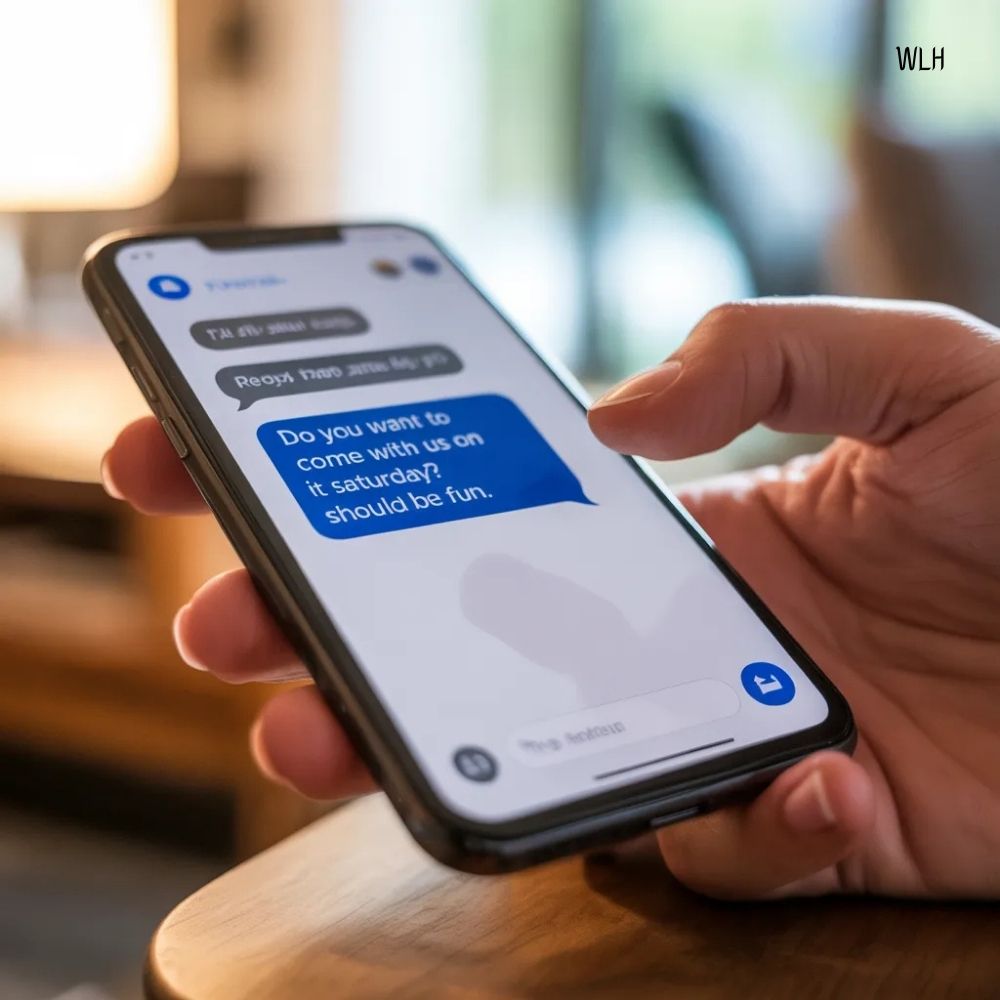
The invitation came in the form of a message that felt deliberately low-detail. Something along the lines of, “Do you want to come with us on Saturday? It should be fun.” No specifics. No itinerary. No warnings. Just vibes.
I assumed this meant something casual. Maybe a short outing. Maybe food involved. Maybe chairs. I pictured myself leaving the house, doing the thing, and returning home without needing a recovery period.
I did not ask what “the thing” actually was.
I did not ask how long it would take.
I did not ask who else would be there.
I did not ask what I should wear.
This was a classic mistake, and I was about to pay for it in installments.
The First Red Flag Was the Packing List
The first sign that I had misjudged the situation came the night before, when someone casually mentioned bringing “comfortable shoes.” This phrase should never be ignored. Comfortable shoes implies standing, walking, waiting, or all three.
I immediately realized I had no idea what I had agreed to, but instead of clarifying, I doubled down on denial. I told myself it was probably fine. I told myself people overprepare. I told myself I was overthinking it.
This is the stage where you could still save yourself by asking a clarifying question, but pride gets involved, and suddenly you’re committed to finding out the hard way.
The Arrival and the Immediate Sense of Betrayal
When I arrived, it became clear very quickly that this was not a casual situation. There were more people than expected. There was more structure than advertised. There was an energy that suggested planning had occurred without me.
I stood there, taking in the environment, realizing that this event had layers. Not just one activity, but several. Not just an hour, but a stretch of time that could not be shortened without awkward explanations.
At this point, I was no longer participating willingly. I was enduring.
The Moment I Realized This Was a Commitment
The true realization hit when someone said, “Okay, so first we’re going to…” followed by a sentence that was far too long and involved too many steps. That sentence did not end with food. That sentence did not end with sitting. That sentence did not end with “and then we’re done.”
It ended with “and then we’ll see how everyone feels.” That is not comforting information.
This is when I understood that I had agreed to an experience, not an activity. An experience implies phases. Phases imply duration. Duration implies stamina. I had not prepared emotionally for stamina.

The Social Pressure to Be a Good Sport
Once you are physically present at something you didn’t properly vet, there is an unspoken expectation that you will be chill about it. You are supposed to smile, adapt, and pretend this is exactly what you had in mind.
So I did.
I nodded. I laughed at appropriate moments. I adjusted my expectations downward and my patience upward. I told myself it was good to be spontaneous, even though this was not spontaneity. This was poor information management.
Being a good sport is admirable, but it is also how you end up tired, hungry, and quietly resentful by hour two.
The Energy Mismatch Becomes Impossible to Ignore
As time passed, the mismatch between my expectations and reality became louder. Other people seemed energized. They were enjoying the novelty. They were leaning in.
I was conserving energy like I was on a long flight without snacks.
This is when the internal bargaining started. If I make it through this part, maybe it gets better. If I just push a little longer, maybe there’s a payoff. This is dangerous thinking, because it delays acceptance.
Acceptance would have been recognizing that I was not having fun, and that was okay, but acceptance does not get you out of the situation.
The Small Annoyances That Added Up
It wasn’t one big thing that ruined the experience. It was several small ones. Standing longer than expected. Conversations that required enthusiasm I did not have. A lack of clear endpoints. The constant feeling of waiting for the next thing without knowing what it was.
Each minor irritation stacked on top of the last until my tolerance ran out quietly, without drama, but very firmly. This is when I stopped pretending I was enjoying myself and started focusing on survival.
Leaving was not simple. It required timing. It required excuses. It required reading the room to avoid seeming rude. This is the price you pay when you agree to something vague.
By the time I finally left, I was exhausted in a way that felt unnecessary. Not because the activity was awful, but because I had not chosen it with full information.
The exhaustion was avoidable. That is what made it annoying.
What I Should Have Asked (And Will Ask Forever Now)
In hindsight, there were very simple questions that would have saved me.
What exactly are we doing. How long will this take. Is there food. Can I leave early without it being weird. What should I wear.
None of these questions are rude. None of them are demanding. They are responsible. I skipped them because I wanted to be easygoing, and that decision cost me an entire afternoon.
The Lesson I Actually Learned
The lesson here is not that you should say no to everything. It is that yes without context is not generosity, it is self-sabotage. Agreeing to something without enough information does not make you laid-back. It makes you vulnerable to disappointment.
I now understand that asking questions upfront is not controlling. It is clarifying. It allows you to consent fully, or decline honestly, without resentment.
Both outcomes are better than suffering politely.
Final Takeaway
I agreed to this without asking enough questions, and I will never do that again. Not because the experience was traumatic, but because it was unnecessary. I could have opted in or out with clarity instead of confusion.
From now on, my yes comes with curiosity, and my comfort comes before vibes. That feels like growth. And it feels earned.