The Lesson of In-Store Purchase That Everyone Should Know
I want to start by saying that I walked into this store as a normal, emotionally stable adult with a clear sense of self and a reasonable understanding of my own face. I was not confused. I was not spiraling. I was not actively looking to improve anything about my appearance or my life. I…
I want to start by saying that I walked into this store as a normal, emotionally stable adult with a clear sense of self and a reasonable understanding of my own face. I was not confused. I was not spiraling. I was not actively looking to improve anything about my appearance or my life.
I was just there to pick up one thing, maybe two, and then leave like a responsible person who respects her bank account. That lasted approximately three minutes.
Because once you cross into the beauty section, something shifts. The air feels warmer. The mirrors feel kinder.
The lighting hits your face at an angle that suggests you are thriving, well-rested, and possibly the main character in a coming-of-age film where everyone notices how naturally pretty you are without you trying. This is where the lie begins.
The Lighting Is Not Neutral and It Never Has Been
Let’s talk about the lighting, because it deserves its own section as a full antagonist. This lighting is not here to help you see clearly. It is here to gaslight you into thinking your skin tone is more even than it actually is and that your under-eye area is merely decorative.
The lights are soft but strategic, bright but forgiving, angled in a way that smooths everything just enough to make you question every product you’ve ever disliked at home.
Under this lighting, pores appear theoretical. Texture becomes a rumor. Your reflection looks like it slept eight hours, drank water, and has never known stress. This is not an accident. This is a setup.
Standing there, I caught my reflection and thought, wow, I look really good right now, which is always dangerous because it immediately leads to the next thought, which is, maybe this product is working. Never mind that I had just walked in and had not applied anything new. The lighting had already done its job.
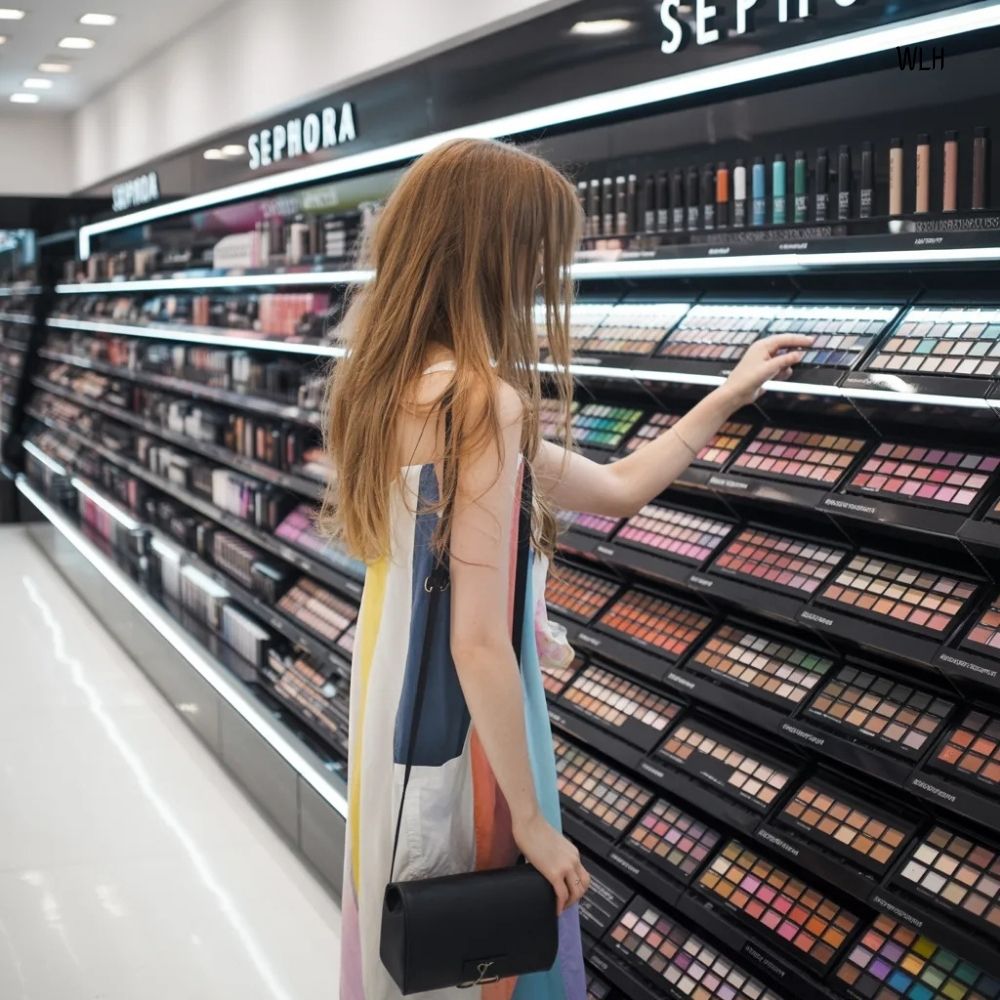
The Product That Looked Innocent Enough
The item I didn’t need was sitting there looking extremely confident in itself. It wasn’t flashy. It wasn’t screaming for attention. It just existed quietly, with clean packaging and a price tag that suggested it was an “investment” rather than a bad decision.
I picked it up, not because I needed it, but because the lighting made me curious. It made me believe that this product could maintain whatever illusion was happening on my face at that exact moment.
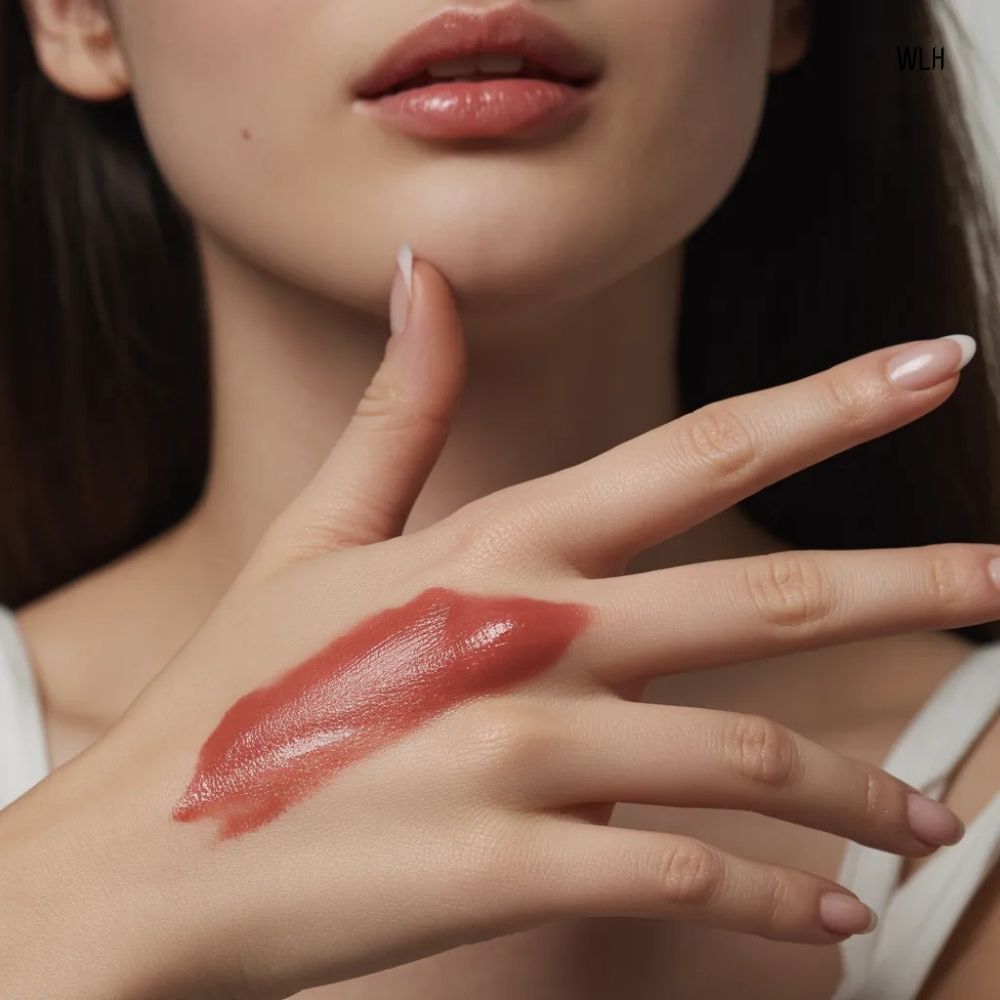
The tester looked smooth. The shade looked perfect. The mirror nodded at me like, yes, this is correct. That should have been my second red flag.
Why Everything Looks Better Before You Buy It
There is a very specific psychological phenomenon that happens when you test a product in-store, and it has nothing to do with the product itself.
You are standing upright. You are well-lit. You are focused. You are not rushing. You are not late. You are not squinting at yourself in a dim bathroom mirror while your phone buzzes with notifications.
Of course everything looks good. I applied a small amount, blended it in, and thought, okay, I get it now. I finally understand the hype. This looks seamless. This looks effortless. This looks like something I should own.
What I failed to consider, because the lighting would not allow it, was how this product behaves in real life. Real life has overhead lighting. Real life has windows. Real life has car mirrors and phone cameras and the cruel honesty of your bathroom at 7 a.m.
But in that moment, the store lighting had convinced me that this product was the missing link between who I am and who I could be.
The False Confidence That Leads to Checkout
Once the lighting gives you confidence, it becomes very easy to rationalize. You start telling yourself that this is not an impulse purchase. This is a smart choice. A well-researched decision. Something you deserve.
I stood there holding the product and thought about how good it looked just now, completely ignoring the fact that the lighting deserves a producer credit for that performance. I imagined using it daily. I imagined compliments. I imagined my routine being easier, smoother, better.
At no point did I imagine myself using it at home under my own lights, which should have been my third and final warning.
I put it in my basket, because confidence without context is dangerous, and walked toward checkout feeling suspiciously optimistic.
The Moment Reality Re-Enters the Conversation
The first time I used the product at home, the vibe shifted immediately. The lighting was honest. The mirror was not on my side. My face looked like a face, which is fine, but the product suddenly looked different.
It wasn’t bad. It wasn’t offensive. It just wasn’t magical anymore.
The texture was more noticeable. The finish wasn’t as forgiving. The color wasn’t as seamless as it had been in the store.
It still worked, technically, but it no longer carried the illusion of effortlessness that the store lighting had generously provided. That’s when I realized I had not bought a product. I had bought a moment.
Lighting as a Sales Tactic Should Be Illegal
I would like to formally state that selling beauty products under flattering lighting without a disclaimer feels morally questionable. At minimum, there should be a sign that says, “This will not look like this at home. Adjust expectations accordingly.”
The issue isn’t that the product failed. The issue is that the environment inflated my expectations to a level no product could realistically meet. I didn’t fall in love with the formula. I fell in love with how I looked under lighting designed to make me feel powerful.
That is a very different thing.
How I Now Test Products Like a Skeptic
This experience taught me something important, which is that I no longer trust in-store lighting as a reliable narrator. If I’m going to test something, I need to see it in bad conditions. I need to see it in a mirror that doesn’t care about my feelings.
Now, when I try something, I check it in multiple angles. I step away from the display. I look at it in different lighting. I remind myself that if it only looks good in one very specific environment, then it’s not doing enough work to earn its place in my routine.
A good product should survive reality, not just retail theater.
The Actual Lesson I Took Home
The real lesson here is not that stores are evil or that all lighting is deceptive, even though I have strong feelings on the subject. The lesson is that confidence created by an environment is temporary, and purchasing decisions made in that state should be treated with suspicion.
If you feel amazing only in that aisle, pause. If you suddenly love something you normally wouldn’t tolerate, pause. If your reflection looks better than usual and nothing has changed except the lighting, pause longer.
That pause has saved me money, space, and disappointment.
Final Thoughts
I didn’t need the product. I needed the lighting to stop lying to me. Once I understood that, shopping became a lot less emotional and a lot more practical. I still enjoy trying things. I still appreciate a good in-store experience. I just no longer confuse flattering conditions with genuine compatibility.
Lighting can make you feel like a better version of yourself, but it cannot follow you home, and it certainly cannot do the work of a product that needs it to shine.
Now, when something looks incredible in-store, I take a breath, thank the lighting for its service, and remind myself that my bathroom mirror will have the final say.
And she is not as kind.