I Tried to Be a Matcha Person And Then Got To Know Myself
There comes a moment in every adult woman’s life when she looks at her coffee, looks at the internet, and thinks, maybe I should change. Maybe I should become someone who drinks matcha. Someone calmer. Someone with lower cortisol. Someone who owns a ceramic bowl for no reason and feels at peace about it. That…
There comes a moment in every adult woman’s life when she looks at her coffee, looks at the internet, and thinks, maybe I should change. Maybe I should become someone who drinks matcha.
Someone calmer. Someone with lower cortisol. Someone who owns a ceramic bowl for no reason and feels at peace about it.
That moment found me on a random morning when my coffee tasted a little too aggressive and every video online was telling me that matcha was smoother, cleaner, and somehow morally superior.
Matcha people looked well-adjusted. They looked hydrated. They looked like they woke up earlier than me but weren’t mad about it.
I decided, very confidently, that I could be one of them. This was an identity experiment, and like most of my identity experiments, it failed in a very specific and humbling way.
Why I Thought Matcha Would Fix Something
To be clear, nothing was technically wrong with my life. I was just tired familiarly, and the internet has trained us to believe that fatigue is a personal flaw that can be corrected with the right beverage. Coffee, suddenly, felt loud. Matcha felt quiet. Coffee felt chaotic. Matcha felt intentional.
The narrative was compelling. Matcha was supposed to give you calm energy. Focused energy. Energy without the crash. Energy without the personality side effects. I imagined myself sipping it slowly, feeling productive but centered, possibly journaling even though I do not journal.
This should have been my first warning.
The Shopping Phase, Also Known as Overconfidence
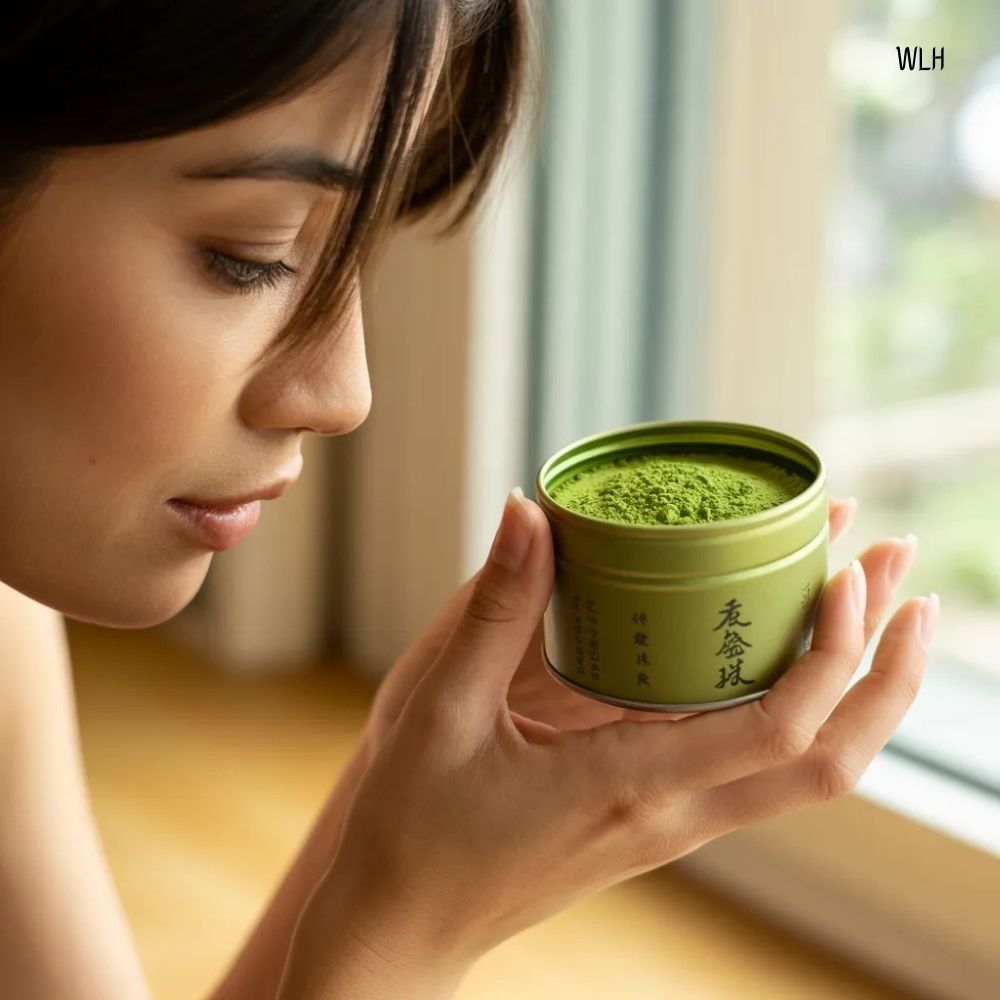
I did not ease into matcha. I committed immediately, which is always how these things go wrong. I bought ceremonial-grade matcha, because obviously I was not going to disrespect the process by starting cheap.
I bought a whisk, because apparently that matters. I bought a little spoon that felt unnecessary but emotionally convincing.
Standing in my kitchen with these items laid out, I felt like I had already changed. I felt healthier. More grounded. Smarter, somehow. This is the power of vibes. None of this had anything to do with the actual drink yet.
The First Cup and the First Red Flag
The first time I made matcha, I followed instructions carefully, because matcha is not forgiving. The water temperature mattered. The whisking mattered. The order mattered. This was already a problem, because I do not like beverages that require choreography.
I took my first sip expecting calm. What I got was grass.
Not fresh grass. Not poetic grass. Lawn-adjacent grass. Earthy in a way that felt confrontational. I paused, told myself this was an acquired taste, and took another sip, which did not improve the situation.
I immediately started negotiating with myself, which is never a good sign. Maybe it was the water temperature. Maybe I used too much powder. Maybe my palate just needed time. This is the lie matcha relies on.
Trying to Push Through Like a Better Person Would
For several days, I kept going. Every morning, I made my matcha, whisked dutifully, and drank it with the determination of someone who refuses to quit on herself. I told myself I was adjusting. I told myself this was part of the process. I told myself that not everything has to be immediately enjoyable to be good for you.
Meanwhile, I was deeply aware that I was not looking forward to my drink. I was tolerating it. I was bracing myself for it. This is not how a beverage should make you feel.
Worse, I did not feel calmer. I felt slightly annoyed and under-caffeinated, which is a dangerous combination. Matcha did not give me calm energy. It gave me suspicious energy, the kind where you’re awake but not satisfied.
The Identity Crisis Sets In
At some point, I realized the issue was not the matcha. It was the expectation. I was trying to drink it the way matcha people drink it, plain and reverent, as if enjoying bitterness was a character trait.
I am not that person. I do not enjoy beverages that feel like a test. I do not want to convince myself to like something every morning before I’ve even had a thought. Coffee may be loud, but it understands me. Matcha felt like it wanted me to change.
That was the breaking point.
How I Finally Fixed the Situation
The fix did not involve abandoning matcha entirely, which surprised me. It involved abandoning the fantasy version of myself I was trying to impress.
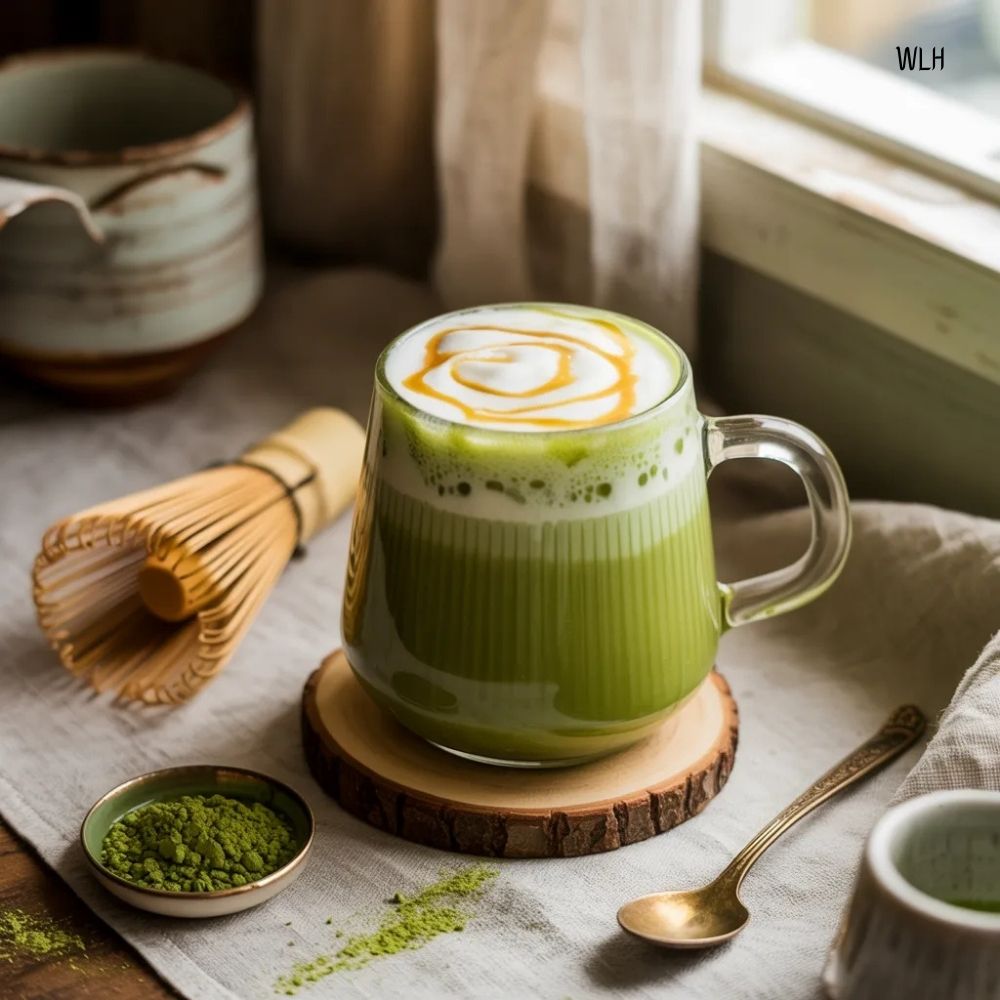
Instead of drinking matcha straight and pretending I was fine, I changed the rules. I stopped trying to be pure about it. I added oat milk, because I like oat milk.
I added a little vanilla, because bitterness does not need to be a personality. I adjusted the ratio until it tasted like something I would choose, not endure. Suddenly, everything shifted.
The matcha was still there, but it was no longer the main character. It became part of a drink I actually enjoyed. The grassiness softened. The bitterness calmed down. The entire experience stopped feeling like a wellness audition.
I wasn’t a matcha person in the way the internet meant it. I was a matcha-adjacent person, and that was enough.
The Unexpected Middle Ground
Once I stopped forcing myself into an identity that didn’t fit, matcha found a reasonable place in my life. I don’t drink it every day. I don’t romanticize it. I don’t pretend it changed me.
I drink it when I want something gentler than coffee but still comforting. I drink it when I have time to make it properly and enjoy it. I drink it as a beverage, not a statement.
That distinction matters.
This whole experience reminded me how often we confuse liking something with wanting to be the kind of person who likes it. The internet is very good at selling identities through habits, especially quiet ones that look peaceful from the outside.
But enjoyment matters more than aesthetics. If you have to convince yourself every single time, it’s not a preference. It’s a performance. And I am too tired for that, especially before breakfast.
The Takeaway I’m Keeping
I did not fail at becoming a matcha person. I just redefined what that meant for me. I stopped trying to drink something the “right” way and started drinking it in a way that felt good.
That is the fix I use for most things now.
I do not need to become someone else to enjoy something adjacent to their world. I can adapt the thing to fit me, or I can let it go. Either option is allowed.
Final Thoughts
Matcha did not change my personality. It did not measurably lower my cortisol. It did not turn me into a calm, grounded person with a morning routine worth filming.
What it did do was remind me that forcing an identity never works, especially when it starts with something as small and daily as a drink. Enjoyment is data. Resistance is data. Both are worth listening to.
I still drink coffee. I still drink matcha sometimes. I no longer feel guilty about either choice. And honestly, that feels like the healthiest outcome of all.