
I Bought This for Convenience and Here’s The Result
I bought a robot vacuum because I was tired. This distinction matters, because every piece of marketing around robot vacuums suggests that purchasing one is the moment you finally stop thinking about floor maintenance forever. You press a button, the robot handles it, and you move on with your life feeling smug and slightly futuristic….
I bought a robot vacuum because I was tired. This distinction matters, because every piece of marketing around robot vacuums suggests that purchasing one is the moment you finally stop thinking about floor maintenance forever.
You press a button, the robot handles it, and you move on with your life feeling smug and slightly futuristic. That is the fantasy. The reality is that I accidentally adopted a small, needy machine that required more attention than the broom I was trying to replace.
The product was a mid-range robot vacuum, not the cheapest option and not the premium one either, which felt like a responsible choice at the time. The box promised “hands-free cleaning,” “smart mapping,” and “set it and forget it convenience.”
I now recognize as extremely confident language for something that cannot tell the difference between a rug tassel and a threat to its existence. I did not buy this vacuum to manage it emotionally. I bought it because I wanted crumbs gone without personal involvement.
That was my first misunderstanding.
The Setup That Should Have Been a Warning
The setup process alone should have told me what kind of relationship this was going to be. I was required to download an app, create an account, connect the vacuum to Wi-Fi, and walk it through my home like a suspicious new pet learning the layout.
At no point did anyone mention that convenience begins after a tutorial phase that involves watching your phone more than the floor. The app wanted permissions. The app wanted updates. The app wanted me to name the vacuum, which felt emotionally manipulative.
I named it something neutral, because I did not want to bond.
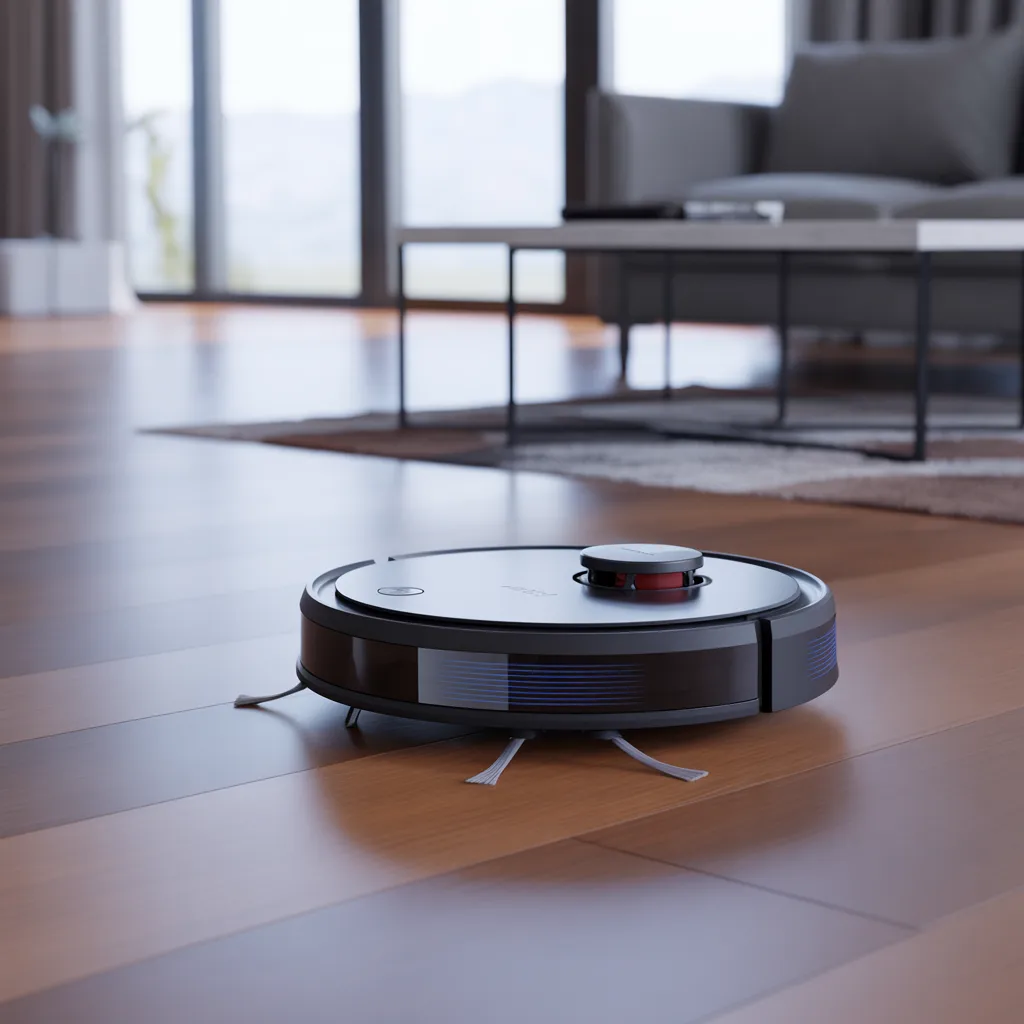
The vacuum then attempted to map my apartment, which involved bumping into the same chair repeatedly like it was trying to negotiate with it. I stood there watching, already realizing that I had not reduced effort so much as shifted it into a different category. This was not passive convenience. This was active oversight.
The First Clean and the First Lie
The first cleaning run was impressive for about seven minutes. The vacuum moved confidently, picked up visible debris, and made me feel briefly justified in my purchase. Then it found a cable.
Not a hidden cable, not a trap, just a normal charging cable that existed in my home because I am a modern person. The vacuum attempted to eat it, panicked, and shut down with an alert that required immediate attention.
This was the moment I learned that owning a robot vacuum means pre-cleaning for the cleaner. Before every run, I now had to scan the floor for potential hazards, including cords, socks, shoelaces, small rugs, and anything lightweight enough to be misinterpreted as trash.
This is not what I thought convenience meant. I had not planned to prepare my environment every time I wanted the floor cleaned. Sweeping did not require this level of vigilance.
The Daily Notifications I Did Not Ask For
Once the vacuum became part of my routine, it also became part of my notification ecosystem, which I resent deeply. I received alerts when it was stuck, alerts when it was finished, alerts when it needed emptying, alerts when it required maintenance, and alerts when it encountered a situation it could not emotionally process on its own.
These alerts did not arrive at convenient times. They arrived while I was working, on calls, or out of the house, creating a sense of urgency around something that was supposed to reduce my mental load.
At no point did the vacuum simply handle the task quietly and disappear back into its dock without commentary. It always had something to report.
The Maintenance That Defeated the Purpose
One of the biggest marketing lies was the idea that this vacuum would reduce cleaning. What it actually did was introduce a new category of cleaning, one that involved emptying bins, cleaning brushes, removing hair from places hair should not be, and periodically flipping the vacuum over like a turtle to perform emergency surgery.
None of this was difficult, but all of it was frequent, and frequency is the enemy of convenience.
I found myself doing maintenance tasks more often than I would have swept, which felt like a betrayal of the original agreement. The vacuum did not eliminate effort. It redistributed it into smaller, more annoying tasks that could not be skipped without consequences.
The Mapping Feature That Overpromised
The “smart mapping” feature deserves its own mention, because it was marketed as a breakthrough and functioned more like a suggestion.
The vacuum remembered rooms sometimes, forgot them other times, and occasionally decided that two separate spaces were actually the same place emotionally. I would set boundaries in the app, only to find the vacuum confidently crossing them like it did not respect digital fences.
There is something uniquely irritating about watching a machine ignore rules you took the time to configure. It made me feel powerless in my own home, which is not a sensation I associate with progress.
The Moment I Did the Math
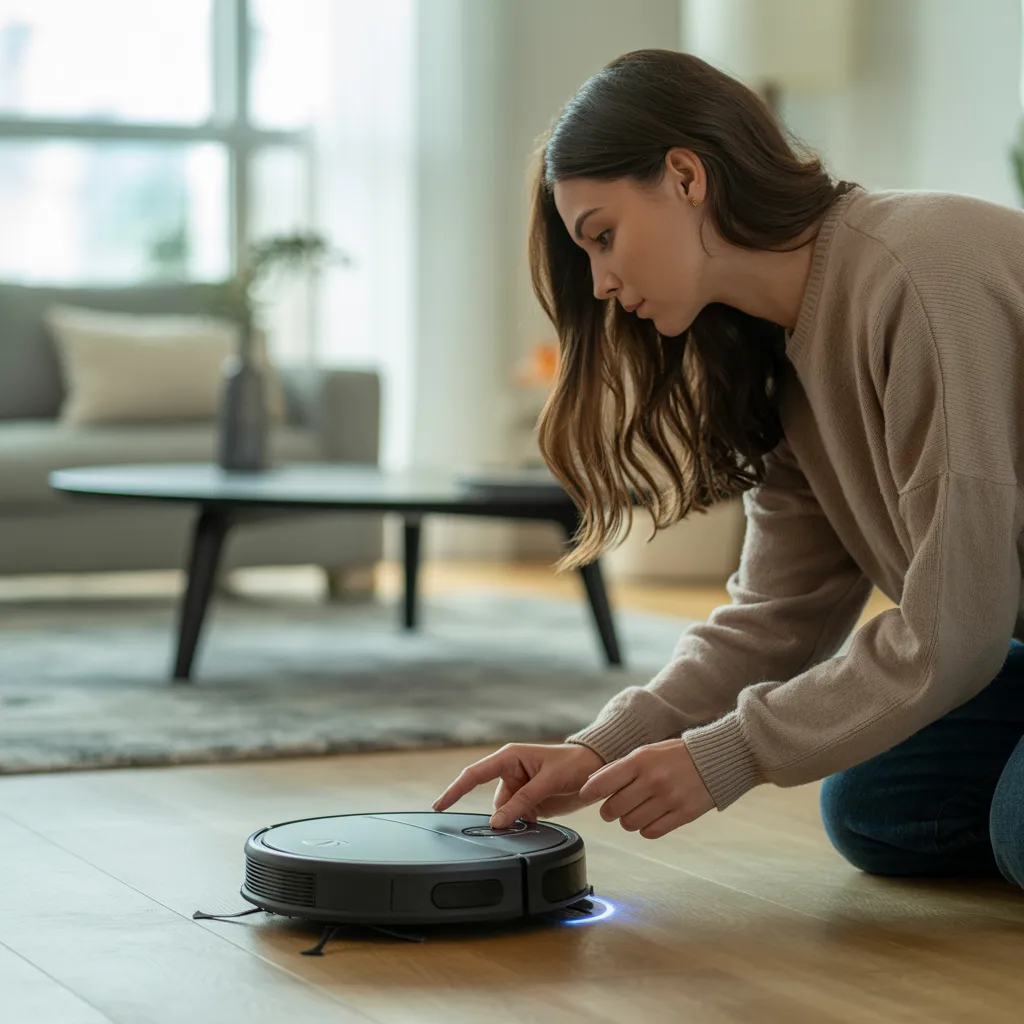
The breaking point came when I realized I was planning my day around the vacuum. I delayed runs because I had not prepped the floor. I postponed maintenance because I was busy. I checked the app to see if it had finished. I responded to alerts. I thought about it far more than I ever thought about cleaning before.
That is when I understood that the product had inverted the promise. Instead of freeing my time, it was occupying it in small, irritating increments that added up to more attention than the original task.
This was not convenience. This was outsourcing labor to something that still required management.
Why the Marketing Worked on Me
The marketing worked because it targeted exhaustion, not laziness. It suggested relief. It suggested ease. It suggested that buying the product was the last step, not the first in a new routine. That framing is powerful, especially when you are tired and looking for shortcuts that feel responsible.
What the marketing did not say was that convenience only works if the system is truly autonomous, and this one was not. It was semi-autonomous at best, and semi-autonomous things are often worse than manual ones because they combine the downsides of both.
What I Replaced It With
After enough quiet resentment, I stopped using the robot vacuum regularly. I did not throw it away.
I did not rage-sell it. I simply returned to a lightweight cordless vacuum and a broom, tools that ask for effort upfront but do not demand follow-up care, software updates, or emotional investment.
The difference was immediate. When I cleaned, I cleaned. When I was done, I was done. No alerts. No app. No maintenance reminders. No unexpected problems requiring intervention. That simplicity felt luxurious.
The Lesson I Actually Learned
The lesson here is not that robot vacuums are bad. It is that convenience is not about automation alone. It is about reliability, predictability, and the ability to complete a task without additional overhead.
If a product adds monitoring, prep, maintenance, and decision-making, it is not convenient, even if it is technically advanced. Convenience should reduce cognitive load, not repackage it.
Final Takeaway
I bought this for convenience, and it was not convenient. It was impressive, occasionally helpful, and conceptually interesting, but it did not deliver on the promise that mattered most. It did not make my life easier in a meaningful way.
Marketing loves to sell effort reduction without acknowledging effort transfer. I am no longer interested in that trade.
If something claims to simplify my life, it needs to do so quietly, reliably, and without asking me to manage it like a junior employee. Otherwise, I would rather sweep.