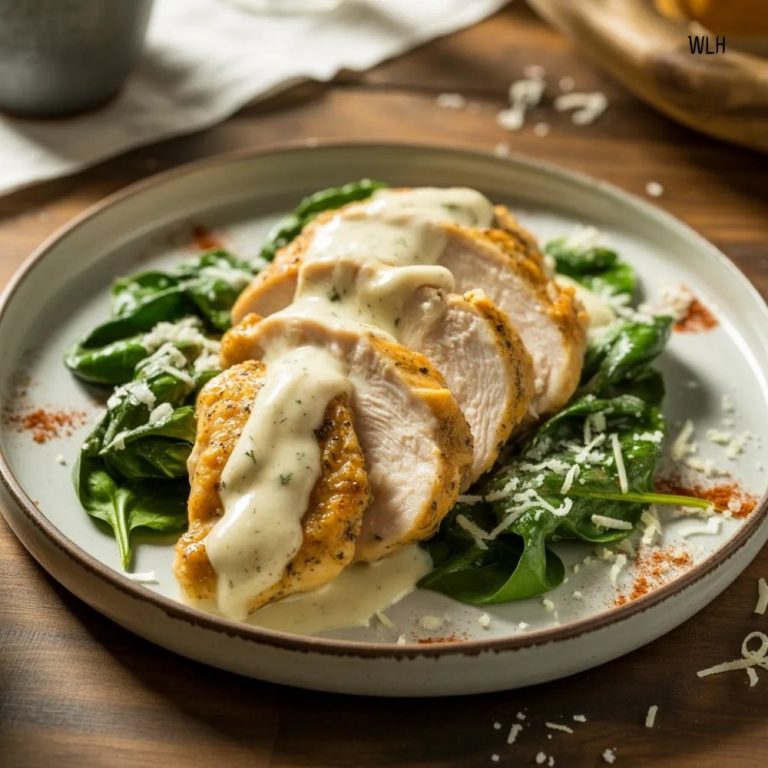
This Is What I Cook When I Need Dinner to Not Make Things Worse
ADVERTISEMENT I don’t cook this meal because I’m inspired, relaxed, or feeling particularly domestic. I cook it when I can tell the evening is fragile, when I’m tired in a way that makes small inconveniences feel personal, and when I know that one wrong decision could tip the night. ADVERTISEMENT This is not my “impress…
I don’t cook this meal because I’m inspired, relaxed, or feeling particularly domestic. I cook it when I can tell the evening is fragile, when I’m tired in a way that makes small inconveniences feel personal, and when I know that one wrong decision could tip the night.
This is not my “impress someone” meal. This is my “do not escalate the situation” meal, and it has earned its place through repetition, not novelty.
The backbone of it is focaccia, which already tells you a lot about my priorities. Focaccia is bread that understands the assignment.
It doesn’t rush you. It doesn’t require precision. It doesn’t punish distraction. It comes together in a way that feels forgiving and steady, which is exactly what I need when my energy is low and my tolerance for friction is nonexistent.
I didn’t set out to build a comforting system around focaccia. It happened gradually, through nights where I realized that bread, protein, and something salty or herby were enough to stabilize my mood without demanding creativity or enthusiasm.
Over time, this meal became a pattern, and patterns are what save you when you don’t want to think.
Why Some Nights Need Damage Control, Not Optimization
There are nights when I can feel the irritation hovering before anything has technically gone wrong. The day has been long, the margins are thin, and I am not interested in self-improvement disguised as dinner.
On those nights, what I need most is predictability. I need food that won’t surprise me, won’t ask me questions, and won’t introduce extra decisions when I’m already done deciding things.
This is where a lot of well-meaning cooking advice fails. It assumes that if something is simple enough, it won’t add stress, but simplicity on paper doesn’t always translate to simplicity in practice. New recipes still require attention. Even easy meals still ask you to engage.
What this focaccia-based dinner does is remove engagement as a requirement. I know how it behaves. I know how long it takes. I know how it will feel to eat it. That familiarity does a lot of emotional work quietly in the background.
Why Focaccia Is the Right Kind of Bread for Bad Days
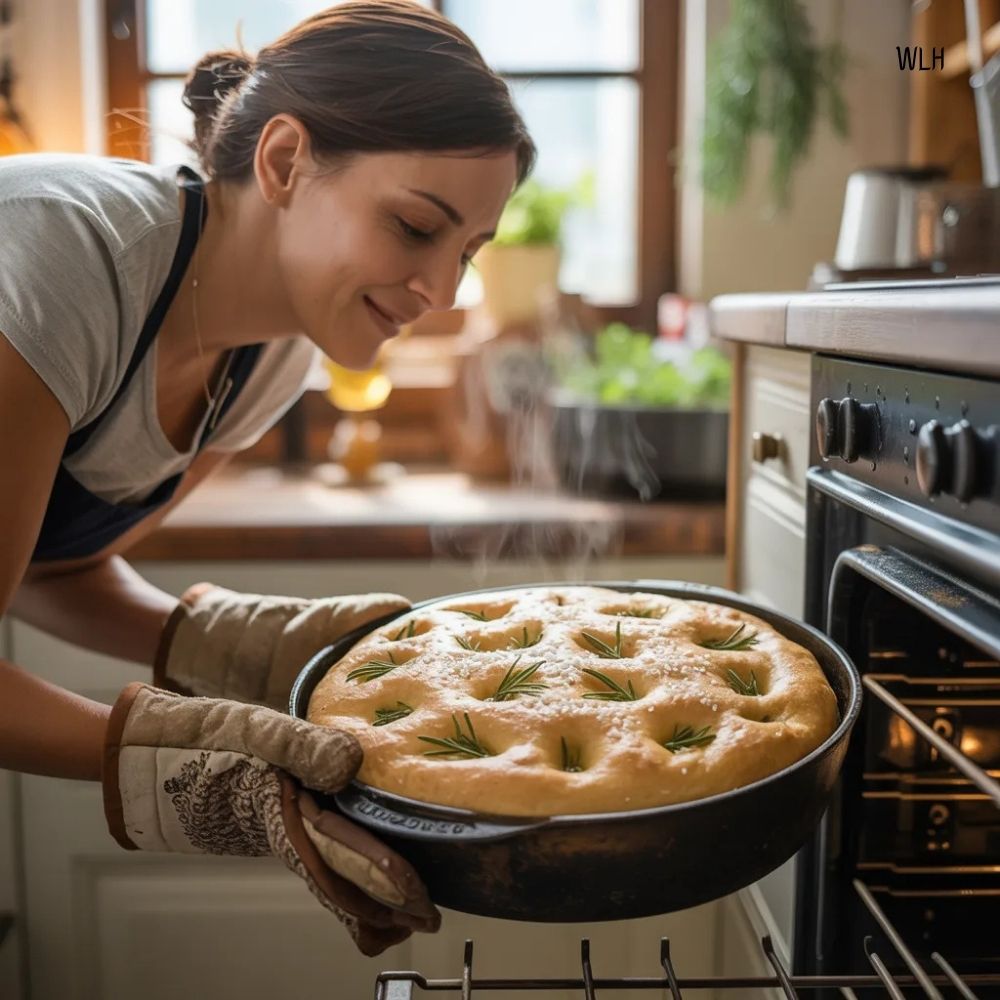
Focaccia works because it’s flexible and resilient. The dough is wet, which means it’s forgiving. If you forget about it for a bit, it doesn’t punish you. If you’re heavy-handed with the olive oil, it rewards you. It doesn’t need shaping. It doesn’t need finesse. It just needs time and heat.
That matters when you’re not at your best.
There is also something grounding about working with dough that doesn’t require precision. Pressing dimples into focaccia dough is physical and repetitive in a way that calms my nervous system without me trying to calm it.
It gives my hands something to do while my brain powers down from the day. This is not therapy. It’s just bread behaving predictably.
The Focaccia Recipe I Rely On When I Need Reliability
This is the focaccia I make when I want it to work without drama.
Ingredients
- Bread flour or all-purpose flour
- Warm water
- Active dry yeast
- Olive oil
- Salt
- Optional rosemary or flaky salt for topping
How I Make It Without Overthinking Anything
I mix the flour, yeast, water, olive oil, and salt in a bowl until it becomes a shaggy, sticky dough. I don’t knead it traditionally. I just fold it a few times, cover it, and let it rise until it looks relaxed and doubled. If it takes longer than expected, I let it. If it rises faster, I don’t argue.
I oil a baking pan generously, pour the dough in, and press it out gently with my fingers, adding more olive oil on top because restraint is not the goal here. I dimple it, sprinkle salt and rosemary if I have it, and bake it until it’s golden and smells like something worth eating.
The whole process asks very little of me, which is the point.
Why This Meal Works Even When Everything Else Feels Heavy
What I appreciate most about this dinner is that it meets me where I am. It doesn’t assume I’m excited. It doesn’t require multitasking. It doesn’t leave me with a sink full of regret afterward.
Eating focaccia with something savory and salty has a grounding effect that feels physical, not emotional. It fills the gap between hunger and irritability quickly, which prevents the kind of mood spiral that starts with “I’m just hungry” and ends with “everything is annoying.”
That alone makes it valuable.
How This Meal Changed My Relationship With Weeknight Cooking
Before this, I used to think that cooking on tough days needed to be minimized at all costs. Either I wouldn’t cook at all, or I’d push myself into something overly simple that still felt unsatisfying.
This meal showed me that there’s a middle ground, where cooking can be gentle instead of demanding.
I don’t feel depleted after making this. I feel steadier. That difference matters.
I used to save bread-making for weekends or when I had the energy to care. That turned out to be backwards. Bread like this is most useful when you’re tired, not when you’re inspired. Using it as a support tool instead of a hobby changed how I value it.
Now, focaccia is part of my practical rotation, not a project. It earns its place by making evenings easier, not by being impressive.
What This Taught Me About Choosing Food on Hard Days
This meal taught me that the right question is not “what do I feel like cooking,” but “what will help the night settle instead of escalate.” That shift sounds small, but it changed how I choose food when my capacity is limited.
On bad days, the best meals are not the most exciting ones. They’re the ones that cooperate.
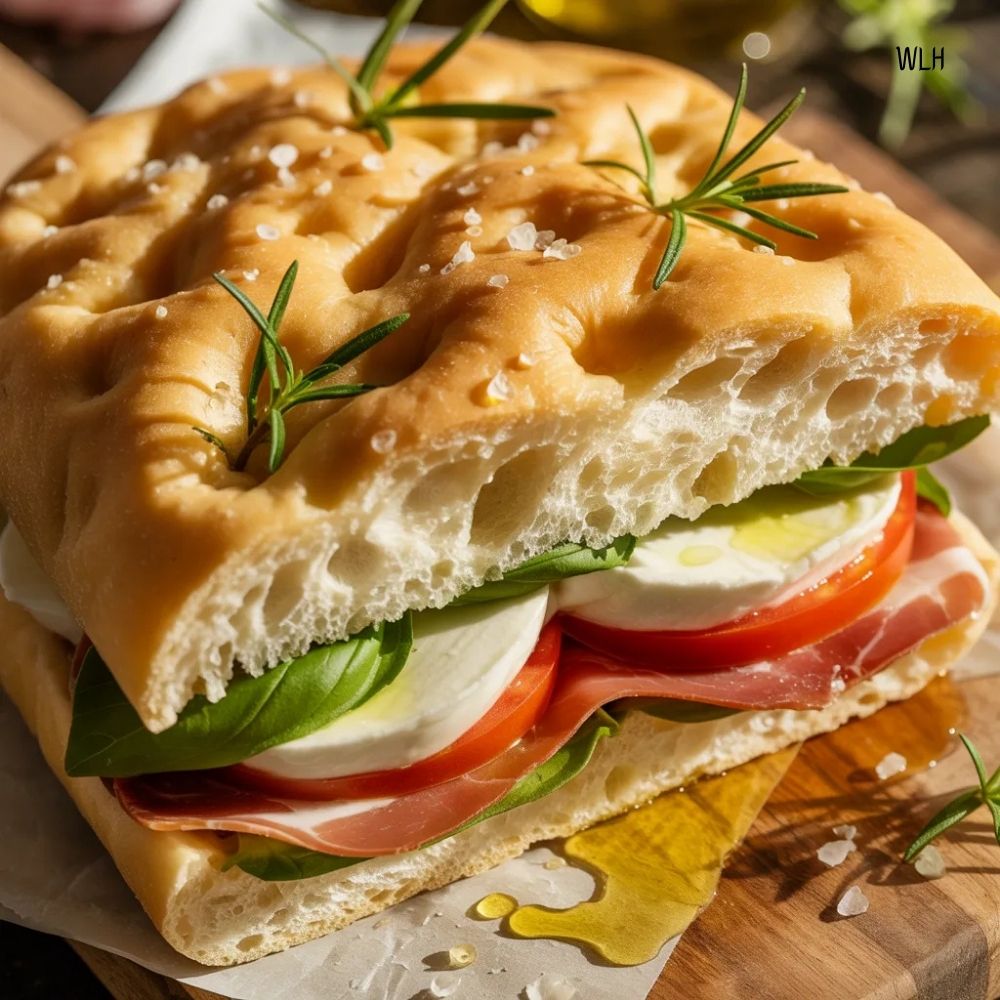
I recommend this approach not because focaccia is magical, but because the structure works. Bread plus protein plus something sharp is a reliable formula. Focaccia just happens to be the bread that asks the least and gives the most in return.
If you’re looking for a meal that won’t make a hard evening harder, this is it.
Final Takeaway
This is what I cook when I need dinner to not make things worse, and focaccia is the reason it works. The bread is forgiving. The meal is flexible. The process doesn’t demand enthusiasm or precision. It delivers warmth, fullness, and a sense that the evening is under control.
Sometimes that’s the highest standard food needs to meet.
Dinner doesn’t have to fix your day. It just has to stop it from going off the rails. And this one does exactly that.