I Trusted a Recipe That Used the Word “Easy” And It Was Surprisingly Fine
ADVERTISEMENT I should have known better the moment I saw the word “easy” in the recipe title. Not because I can’t cook, and not because I’m being dramatic for sport, but because the word “easy” is rarely used honestly in recipes. It’s used emotionally. Aspirationally. Sometimes aggressively. ADVERTISEMENT “Easy” does not mean simple or quick…
I should have known better the moment I saw the word “easy” in the recipe title. Not because I can’t cook, and not because I’m being dramatic for sport, but because the word “easy” is rarely used honestly in recipes. It’s used emotionally. Aspirationally. Sometimes aggressively.
“Easy” does not mean simple or quick or calm. It means someone else made this once under ideal conditions, probably in a quiet kitchen, with nowhere else to be, and decided that nothing catastrophic happened, so technically it counts. That is not my definition of easy.
The recipe was called Easy Creamy Garlic Chicken, which felt like a safe, reasonable choice for a weeknight when I wanted something comforting but not ambitious. I just wanted dinner that wouldn’t ask me to become a different person halfway through.
The ingredient list looked normal. The steps didn’t seem threatening. The comments were full of people saying things like “This was so simple!” which is always said by people who are lying or emotionally resilient in ways I am not.
Against my better judgment, I trusted it. This was my first mistake.
Why the Word “Easy” Immediately Makes Me Suspicious
The problem with “easy” recipes is that they assume a level of emotional calm that I do not reliably possess at dinner time. They assume you are not already hungry, tired, or slightly annoyed from the day.
They assume you are cooking for joy, not survival. They assume your kitchen is organized, your ingredients are prepped, and nothing else is competing for your attention. None of those assumptions applied to me.
“Easy” also tends to hide the kind of effort that doesn’t show up on paper, like hovering, timing anxiety, and the need to intervene at exactly the right moment or everything goes sideways. A recipe can have very few steps and still require constant supervision, which is my least favorite genre of cooking.
Still, I proceeded, because the alternative was ordering takeout and feeling like I had given up prematurely, and my pride was louder than my instincts that night.
The Recipe I Regret Trusting (But Still Ate)
Easy Creamy Garlic Chicken (Allegedly)
This is the recipe as I made it, not the fantasy version.
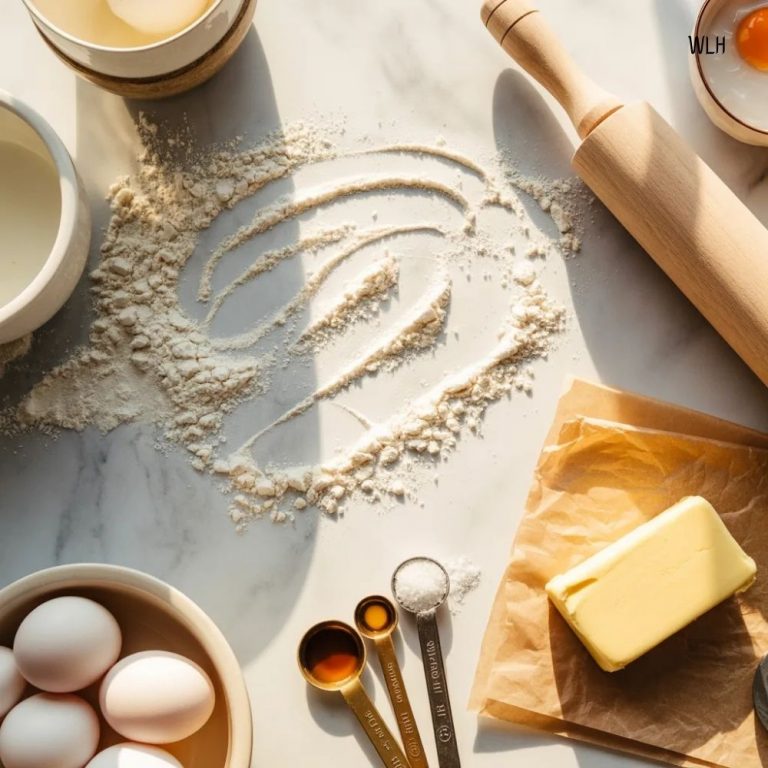
Ingredients
- Boneless, skinless chicken breasts
- Salt and black pepper
- Paprika
- Garlic powder
- Olive oil
- Butter
- Fresh garlic, minced
- Chicken broth
- Heavy cream
- Parmesan cheese
- Italian seasoning
- Optional spinach, which the recipe suggested very casually
Nothing here is exotic. Nothing here should have been stressful. That’s what makes this story irritating.

Step One: Seasoning the Chicken Like It’s a Personal Statement
The recipe started by instructing me to season the chicken generously, which sounds straightforward. Is this confident, generous, or cautious generous. Are we trusting ourselves today or hedging emotionally.
I seasoned the chicken, heated the pan, added oil, and placed the chicken in with optimism that lasted about thirty seconds. Immediately, the oil began popping in a way that felt unnecessary.
Not aggressive enough to be dangerous, but disrespectful enough to make me take a step back and question why everything needs to be so loud.
The chicken cooked fine. It browned nicely. No complaints there. For a brief moment, I thought maybe this really was easy and I had been dramatic for no reason. That moment did not last.
Step Two: Removing the Chicken and Feeling the Shift
The recipe instructed me to remove the chicken from the pan and set it aside. This is always where my trust starts to erode. Truly easy meals do not require temporary holding zones. They do not ask you to manage multiple states of doneness simultaneously.
Still, I complied, because I was already invested.
I added butter to the same pan, which browned faster than expected, followed by fresh garlic that went from fragrant to threatening in approximately twelve seconds. I stirred aggressively, because burning garlic is not something you come back from emotionally.
At this point, I was no longer relaxed. I was alert.
Step Three: The Sauce That Needed More Attention Than Advertised
Next came the broth and cream, poured in with an optimism I no longer shared. The recipe made this part sound passive, like you could add the liquids and walk away briefly. That was a lie.
The sauce needed to simmer, but not too much. It needed to thicken, but not aggressively. It needed to reduce, but not rush. It needed stirring, but not constant stirring. This is a lot of emotional nuance for something labeled easy.
I added the Parmesan, which clumped immediately because of course it did, and stirred until it decided to cooperate. The sauce looked thin. Then it looked thick. Then it looked wrong. Then it looked fine. This entire phase required more monitoring than I was prepared for.
Step Four: Putting Everything Back Together Like Nothing Happened
The chicken went back into the pan, along with its juices, which the recipe mentioned casually, as if this moment wasn’t crucial. I spooned sauce over the chicken, adjusted the heat, and stood there watching it like it might suddenly change its mind.
The spinach went in last, because the recipe suggested it would “wilt quickly,” which it did, aggressively and without warning. At this point, the dish smelled good, which was inconvenient, because now I wanted it to be over but also wanted to eat immediately.

The Result, Unfortunately, Was Fine
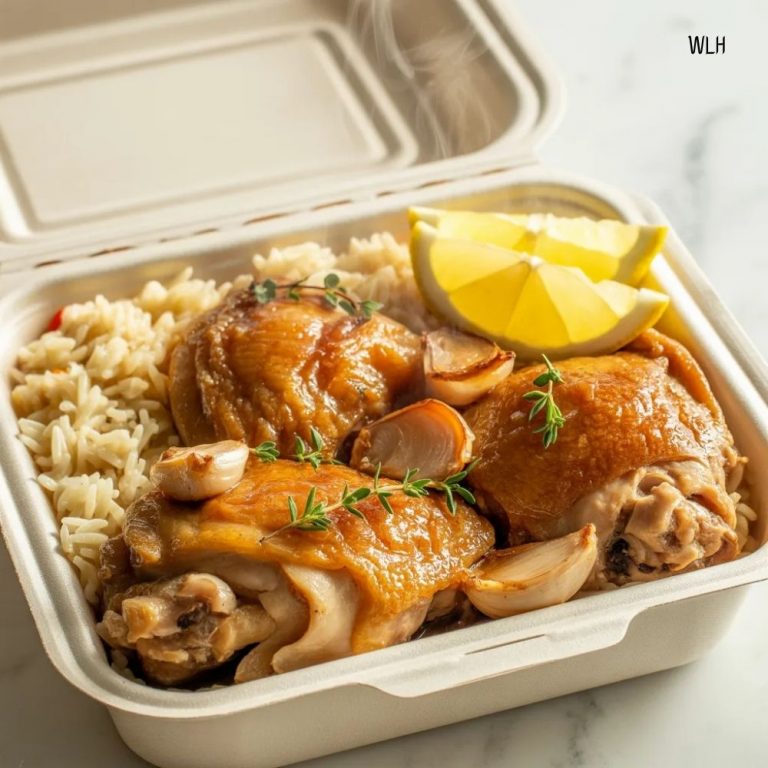
Here is the part I don’t love admitting. The chicken was tender. The sauce was creamy and flavorful. The garlic came through without being overwhelming. The Parmesan did what Parmesan does. The spinach made it feel like a balanced meal.
It was good. Not incredible. Not memorable. Just solid, comforting, and perfectly acceptable. Which is annoying, because now I can’t fully hate it.
If the recipe had been titled “Moderately Involved Creamy Garlic Chicken That Requires Attention,” I would have respected it more. Calling this easy feels like emotional misrepresentation.
Why “Fine” Is Sometimes the Most Annoying Outcome
If the dish had been bad, this would be a cleaner story. I could have learned a lesson and moved on. But the fact that it turned out fine means the recipe will continue to exist in my mental space as a possibility, which I resent.
The problem isn’t the food. It’s the ratio of effort to reward. This meal required hovering, stirring, adjusting heat, and paying attention during a time of day when I do not want to be alert. For that level of involvement, I want something that makes me feel impressed with myself.
Good is not enough to justify mild stress on a weeknight.
What I’d Change If I Ever Made This Again
If I ever make this again, which remains unclear, I would simplify aggressively. I would use pre-minced garlic without guilt. I would stop pretending the sauce needs to be perfect. I would accept it where it lands and move on emotionally much faster.
I would also start cooking earlier, which I hate admitting, because timing was part of the problem here. Easy recipes assume you are not already hungry, which is deeply unrealistic.
The Lesson “Easy” Keeps Teaching Me
The word “easy” in a recipe is not a promise. It is a suggestion based on someone else’s tolerance for effort. What feels simple to one person might feel emotionally taxing to another, especially when hunger and fatigue are involved.
I’ve learned to read recipes not just for ingredients, but for emotional expectations. If it involves simmering, layering, and careful timing, it is not easy for me, and that’s okay. I don’t need every meal to challenge me.
Sometimes I just want dinner without commentary.
Final Takeaway
I trusted a recipe that used the word “easy,” and while the result was perfectly fine, the experience did not match the marketing. The food tasted good. The process annoyed me. Both things can be true.
From now on, I will continue to side-eye recipes that promise ease without explaining the emotional labor involved. My time, energy, and patience are ingredients too, and I am more selective about how I spend them.
I ate the chicken. I survived. I remain skeptical. And honestly, that feels like growth.