
I Got This Product And Immediately Knew What Was Right For Me
ADVERTISEMENT I want to start by saying something that feels illegal on the internet, which is that this product was not bad. It was not broken. It was not lying to me. It did not ruin my skin, my mood, or my week. In fact, according to the internet, it was excellent, beloved, and borderline…
I want to start by saying something that feels illegal on the internet, which is that this product was not bad. It was not broken. It was not lying to me. It did not ruin my skin, my mood, or my week.
In fact, according to the internet, it was excellent, beloved, and borderline life-changing, which made what I was feeling deeply inconvenient. Because every time I used it, I was annoyed.
Not furious. Not disappointed dramatically. Just emotionally irritated in that low-grade, persistent way that makes you question your own personality. The kind of irritation that sneaks up on you when something is technically fine but still makes you sigh every time you reach for it.
This is the story of how I learned that compatibility matters more than reviews, and why I finally stopped forcing myself to like things just because everyone else does.
The Product That Was Supposed to Be Perfect
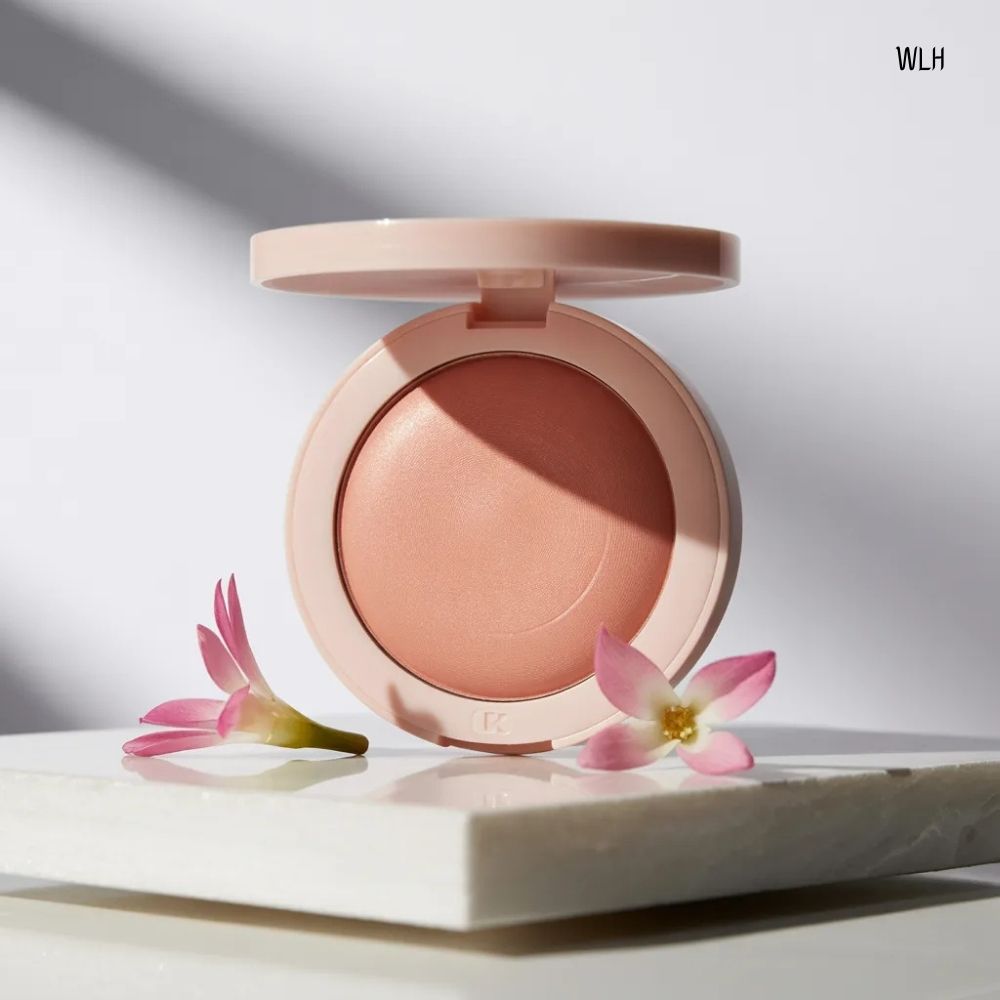
The product in question was a highly rated, very popular cream blush that everyone described as effortless, natural, and foolproof. The kind of blush people say “melts into the skin” and “looks like a natural flush,” which are phrases that have historically tricked me into optimism.
On paper, it was everything I should have loved. The shade was flattering. The formula was praised. The reviews were glowing, with people insisting it blended beautifully and lasted all day.
I bought it thinking this would be one of those easy wins, the kind of product you don’t even have to think about once it’s in your routine. That is not how it went.
The First Few Uses Were Fine, Which Was the Problem
The first time I used it, nothing went wrong. It applied nicely enough, looked pretty in the mirror, and didn’t immediately offend me. I remember thinking, okay, I get it, this is cute. That should have been the end of the story.
But every time I used it after that, a small sense of dread crept in, which is not something you want from a blush. It required just enough effort to blend that I had to pay attention, and just enough pressure sensitivity that it punished you if you went back over the same spot twice.
It wasn’t difficult, but it wasn’t forgiving either, and that’s a distinction I care deeply about. Using it felt like walking on a slightly uneven sidewalk where you’re not going to trip, but you also can’t relax.
When “Technically Good” Still Isn’t Right
Here’s the part that messed with my head. Every time I questioned it, I reminded myself that nothing was actually wrong. The finish was nice. The color worked. The product did exactly what it claimed to do, and the reviews weren’t lying.
And yet, every time I reached for it, I hesitated.
I noticed I’d delay putting on blush because I didn’t feel like dealing with it. I noticed I’d choose other products when I was in a hurry. I noticed that when I did use it, I was thinking about it the entire time, checking the blend, watching the edges, making sure it hadn’t lifted anything underneath.
Makeup should not feel like a group project. That’s when it hit me that the issue wasn’t performance. It was emotional friction. This product asked more of me than I was willing to give, and no amount of five-star reviews could change that.
The Emotional Cost of Forcing a “Good” Product
What I’ve learned, after many years of pretending otherwise, is that forcing yourself to like something is exhausting. It’s a quiet drain on your energy, especially when the thing you’re forcing is supposed to make your life easier or more enjoyable.
I kept using this blush because I felt like I should. Because it was popular. Because it was praised. Because I had spent money on it and didn’t want to admit that I didn’t love it.
That “should” voice is dangerous.
It tells you to override your own experience in favor of consensus. It convinces you that discomfort is a personal flaw instead of a valid response. It keeps you stuck with things that don’t fit simply because they work for other people.
Eventually, I realized that I wasn’t reaching for the blush because I liked it. I was reaching for it because I didn’t want to feel wasteful, and those are not the same thing.
The Moment I Stopped Defending It
The turning point came on a morning when I was running late and just wanted my makeup to behave. I picked up the blush, hesitated, and then put it back down without even opening it, choosing an older, less trendy powder blush instead.
The relief I felt was immediate. That’s when I knew I was done. Not because the product failed, but because I was tired of negotiating with it. I didn’t want to keep a product in my routine that required mental effort, vigilance, or mood-based readiness.
If something makes me feel slightly annoyed every time I use it, it does not deserve real estate in my makeup bag, regardless of how well it performs for someone else.
What I Chose Instead (And Why It Works for Me)
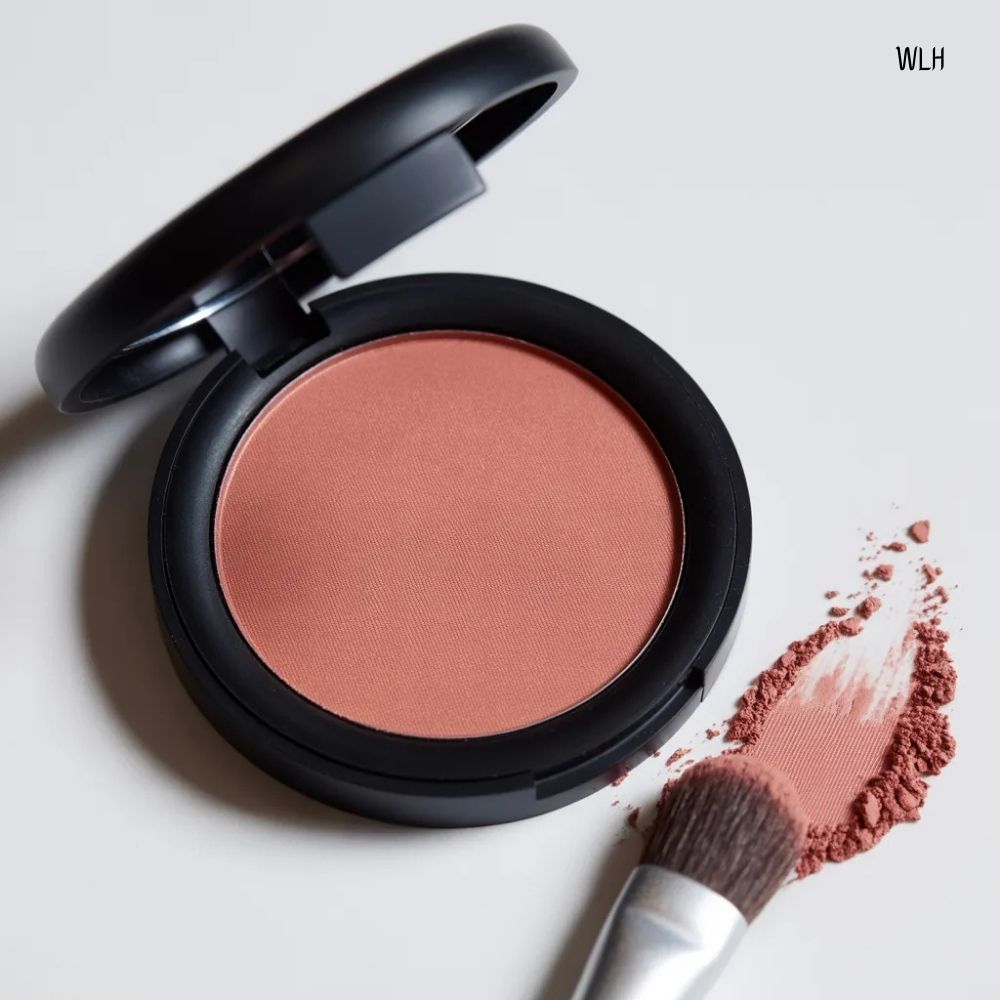
My replacement was not exciting or viral or particularly interesting to talk about, which should tell you everything. I went back to a simple powder blush with a soft, buildable formula that I can apply without a mirror if necessary and never have to think about again.
It doesn’t melt into the skin. It doesn’t look editorial. It doesn’t promise a second-skin finish. What it does is apply evenly, blend without protest, and stay exactly where I put it without requiring supervision.
In other words, it respects my time. This blush works with my habits instead of asking me to change them, and that alone makes it better for me than any technically superior product that adds friction to my routine.
The Lesson I’m Keeping
The lesson here is simple but surprisingly hard to practice. Not everything needs to work for everyone, and you don’t need to be the target audience for every popular product. Reviews can tell you if something performs well, but they cannot tell you if it fits your personality, your habits, or your tolerance for effort.
I’ve learned to trust my own annoyance as data. If something consistently makes me feel mildly irritated, that’s information, not a flaw in my attitude. I don’t need to push through that feeling to prove I’m reasonable or open-minded.
There is no prize for tolerating products you don’t enjoy.
Final Takeaway
This wasn’t a bad product. It was just wrong for me, and that distinction matters more than I used to think. Letting go of something that technically works but emotionally doesn’t has made my routine quieter, easier, and more enjoyable.
If you love that cream blush, I’m genuinely happy for you. I believe the reviews. I just believe myself too. And these days, that feels like the smarter choice.